
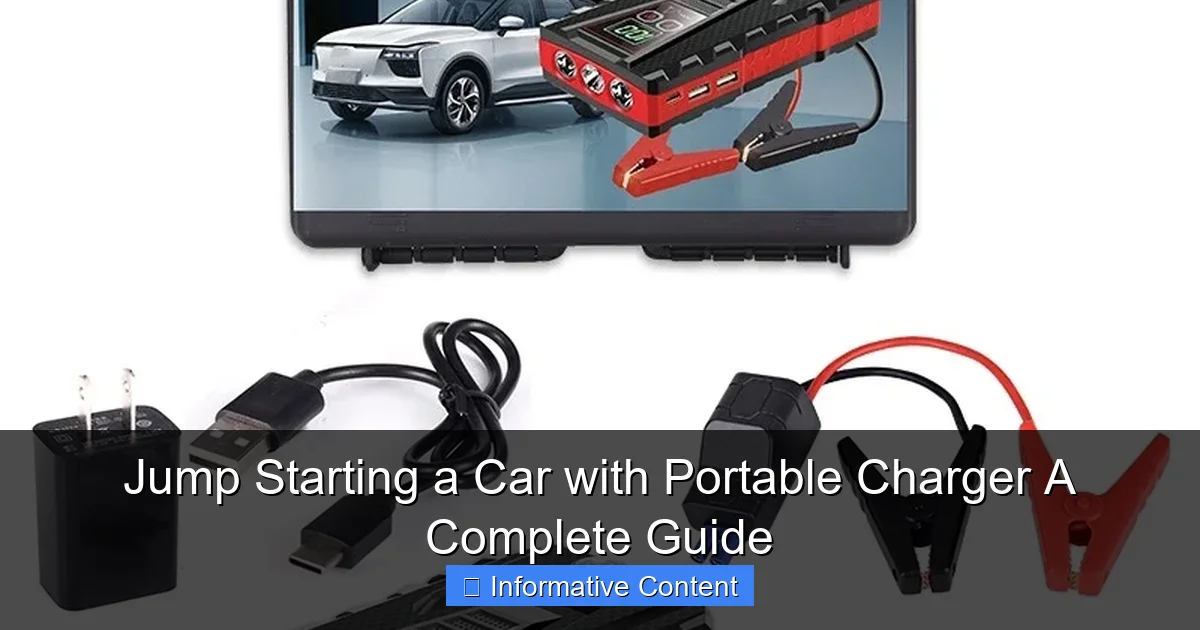
Featured image for jump starting a car with portable charger
Image source: images.nexusapp.co
Jump starting a car with a portable charger is a safe, reliable solution when your battery dies—no second vehicle required. Modern portable jump starters deliver powerful cranking amps in a compact, easy-to-use device, making them essential for emergencies. Always follow proper connection steps and check compatibility to avoid damage.
Key Takeaways
- Safety first: Always wear gloves and eye protection when jump starting.
- Check compatibility: Ensure your portable charger matches your vehicle’s voltage needs.
- Power off electronics: Turn off lights and accessories before connecting the charger.
- Connect in order: Attach red to positive, black to negative, then ground.
- Start the engine: Attempt ignition within 30 seconds of connection.
- Disconnect safely: Remove cables in reverse order to avoid sparks.
- Recharge promptly: Recharge your portable charger after each use for reliability.
📑 Table of Contents
- Jump Starting a Car with Portable Charger: A Complete Guide
- How Portable Jump Starters Work: The Science Behind the Power
- Choosing the Right Portable Jump Starter for Your Car
- Step-by-Step Guide: How to Jump Start a Car with a Portable Charger
- Safety Tips and Common Mistakes to Avoid
- Maintenance and Storage: Keeping Your Jump Starter Ready
- Comparison Table: Popular Portable Jump Starter Models (2024)
- Final Thoughts: Be Prepared, Not Panicked
Jump Starting a Car with Portable Charger: A Complete Guide
Imagine this: you’re running late for work, the morning coffee hasn’t kicked in yet, and you turn the key—only to hear that dreaded click-click-click of a dead battery. Your heart sinks. You don’t have jumper cables, and the nearest mechanic is miles away. But wait—what if you had a small, pocket-sized device that could bring your car back to life in minutes? That’s where a portable car jump starter comes in. These compact powerhouses have saved countless drivers from being stranded, and they’re easier to use than you might think.
Jump starting a car with a portable charger isn’t just a handy skill—it’s a game-changer. Whether you’re stuck in a parking lot, on a remote road, or just trying to avoid the hassle of flagging down a stranger, having the right tool makes all the difference. And unlike traditional jumper cables, portable jump starters don’t require another vehicle. They’re like a superhero in your glove compartment. But like any tool, they come with their own quirks, safety tips, and best practices. In this guide, we’ll walk through everything you need to know—from how they work to how to use them safely and effectively—so you can jump start your car with confidence.
How Portable Jump Starters Work: The Science Behind the Power
If you’ve ever used a power bank to charge your phone, you already have a basic understanding of how a portable jump starter works. These devices are essentially high-capacity lithium-ion or lithium-polymer batteries designed to deliver a short, intense burst of current—just enough to turn over your car’s engine.
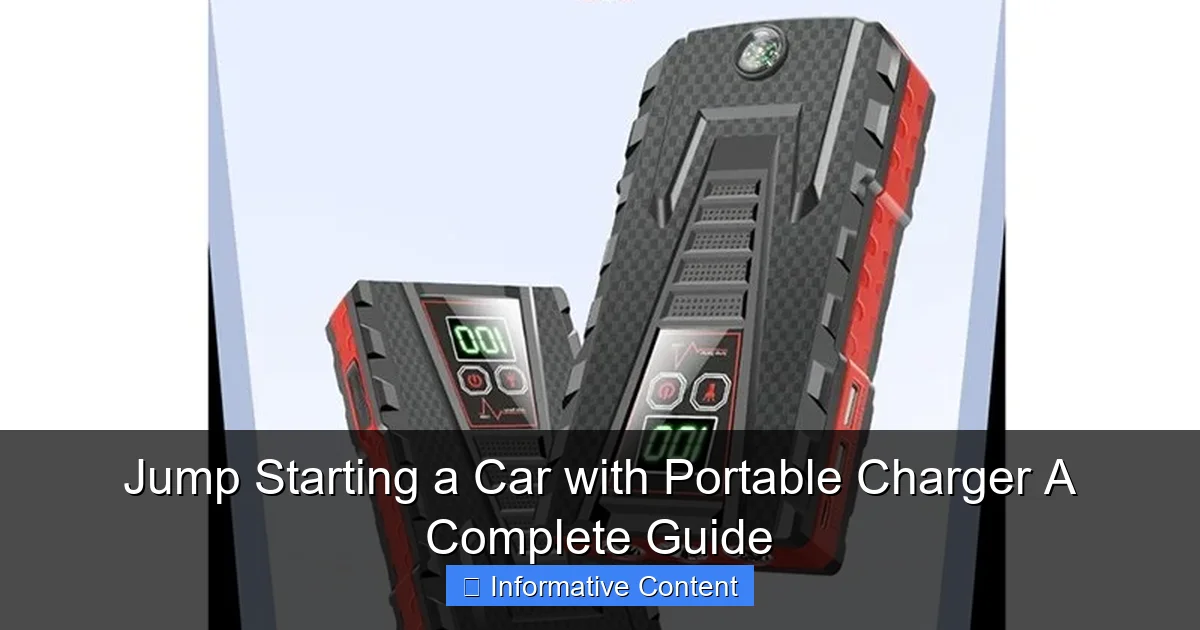
Visual guide about jump starting a car with portable charger
Image source: images.nexusapp.co
Internal Components and Power Delivery
Inside every portable jump starter, you’ll find:
- Battery cells: Usually lithium-based, these store the energy. Higher-end models use lithium iron phosphate (LiFePO4), which are safer and last longer.
- Boost circuitry: This manages the surge of current when jump starting, protecting both the device and your car’s electrical system.
- Smart clamps: Most modern jump starters have reverse polarity protection and spark-proof connectors. If you accidentally connect the clamps backward, the device won’t activate—preventing damage.
- USB ports and LED lights: Handy extras for charging phones or using as a flashlight during nighttime emergencies.
When you connect the clamps to your car battery, the jump starter sends a high-current pulse (often 800–2000 amps) to the starter motor. This is enough to crank the engine, even if the battery is nearly dead. The process usually takes just 10–30 seconds, and once the engine fires up, the alternator takes over, recharging the car battery as you drive.
Why They’re Better Than Traditional Jumper Cables
Let’s be real: jumper cables have their place, but they come with limitations. You need another car, you have to wait for a Good Samaritan (or pay a tow truck), and there’s always the risk of sparks or incorrect connections. A portable jump starter eliminates those hassles. It’s a one-person job, requires no extra vehicle, and many models include safety features that prevent user error.
For example, I once helped a friend jump start her SUV in a grocery store parking lot. She had jumper cables, but no one around to help. We used a portable jump starter instead—took less than two minutes, and we were back on the road. No stress, no waiting, no awkward small talk with strangers.
Choosing the Right Portable Jump Starter for Your Car
Not all jump starters are created equal. Picking the right one depends on your vehicle type, driving habits, and how often you plan to use it. Here’s what to look for.
Engine Size and Required Cranking Amps
The first thing to consider is your engine size. A compact car with a 2.0L engine needs far less starting power than a V8 truck. Most manufacturers list the peak amps (the max surge) and cranking amps (the sustained power) on the product label.
- Small cars (1.0L–2.0L): 800–1000 peak amps
- Midsize sedans and SUVs (2.0L–4.0L): 1200–1500 peak amps
- Large trucks and SUVs (4.0L+): 1800–2000+ peak amps
Pro tip: Always go slightly above your engine’s requirements. A 1500-amp jump starter might work for a 3.5L V6, but if your battery is extremely weak or it’s freezing outside, extra power helps.
Battery Type and Lifespan
Lithium-ion batteries are common and lightweight, but they degrade over time—especially if left uncharged. LiFePO4 batteries are heavier but last longer (up to 5 years) and perform better in extreme temperatures.
Check the charge cycles—how many times you can fully charge and discharge the device. Most decent models offer 500–1000 cycles. Also, look for a model with a low self-discharge rate. Some lose only 1–2% of charge per month, meaning they’ll still work after sitting in your trunk for six months.
Additional Features That Matter
Beyond jump starting, many portable chargers offer:
- USB charging ports: Great for phones, tablets, or GPS units.
- LED flashlight with SOS mode: Useful during nighttime breakdowns.
- Air compressor: Some high-end models include a built-in tire inflator.
- LCD screen: Shows battery level, voltage, and error codes.
- Jump starter for motorcycles, boats, or ATVs: If you own multiple vehicles, this adds versatility.
I once used a jump starter with an air compressor to fix a flat tire on a camping trip. Saved me from hiking 3 miles to the nearest gas station. Worth every penny.
Step-by-Step Guide: How to Jump Start a Car with a Portable Charger
Using a portable jump starter is simple, but skipping steps can lead to frustration—or worse, damage. Follow this foolproof method to get your car running safely.
Step 1: Prepare Your Vehicle and Environment
First, park your car on a flat surface and turn off the ignition. Put it in park (or first gear if manual) and engage the parking brake. If you’re on a busy road, turn on hazard lights and set up reflective triangles if available.
Pop the hood and locate the battery. Most are under the hood, but some (like BMWs or certain hybrids) are in the trunk or under a seat. If you’re unsure, check your owner’s manual.
Step 2: Charge and Check Your Jump Starter
Before connecting anything, make sure your portable charger is charged. Most have an indicator light or digital display showing battery level. A fully charged device should read 100% or “Ready.”
Also, check the clamps. They should be clean and free of corrosion. If they’re dirty, wipe them with a dry cloth. Never use a jump starter with damaged or frayed cables.
Step 3: Connect the Clamps Correctly
Here’s the golden rule: positive to positive, negative to negative.
- Attach the red clamp to the positive (+) terminal of your car battery. It’s usually marked with a “+” and often has a red cover.
- Attach the black clamp to a grounded metal surface—NOT the negative terminal. Use an unpainted bolt, bracket, or engine block. This prevents sparks near the battery, reducing the risk of explosion from hydrogen gas.
Wait for the jump starter to signal it’s ready. Many beep, flash, or display a green light when properly connected.
Step 4: Start the Engine
Now, get in the driver’s seat and turn the key. The car should crank and start within a few seconds. If it doesn’t, wait 1–2 minutes before trying again. Some devices have a “boost” mode—press it if available.
Once the engine is running, do not remove the clamps immediately. Wait 10–15 seconds to let the alternator stabilize the system. Then, disconnect in reverse order: black first, then red.
Step 5: Recharge the Jump Starter
After use, plug your jump starter into a wall charger, car charger, or USB outlet. Most take 3–6 hours to fully recharge. Store it in a cool, dry place—ideally in your car, but not in direct sunlight or freezing temperatures.
Real-life tip: I once left my jump starter in my trunk all winter. When I needed it in February, it only had 30% charge. Now I check it every month and recharge it quarterly, even if I haven’t used it.
Safety Tips and Common Mistakes to Avoid
Portable jump starters are safe when used correctly, but a few missteps can cause damage—or worse, injury. Here’s how to stay safe.
Always Read the Manual
Every jump starter is different. Some require a minimum charge level (e.g., 50%) to activate. Others have specific instructions for diesel engines or hybrid vehicles. Skipping the manual is like driving blindfolded.
Avoid These Common Errors
- Connecting to the negative terminal: This is dangerous. Sparks near the battery can ignite hydrogen gas. Always ground to metal, not the battery.
- Using a damaged jump starter: Frayed wires, cracked casings, or swollen batteries are red flags. Replace the device immediately.
- Jump starting a flooded or damaged battery: If your battery is cracked, leaking, or frozen, don’t jump start. Replace it first.
- Leaving the jump starter connected after starting: This can overload the device or damage your car’s electrical system.
- Using it in extreme heat or cold: Most jump starters work between -4°F and 140°F. If it’s too hot or cold, let the device acclimate for 10–15 minutes before use.
What to Do If It Doesn’t Work
If your car won’t start after several attempts:
- Check connections—are the clamps tight and clean?
- Verify the jump starter has enough charge.
- Try a different grounding point.
- If the engine cranks but won’t fire, the issue might be fuel, spark, or a deeper electrical problem—not just the battery.
One time, my neighbor tried to jump start his truck with a portable charger. It wouldn’t start. We later found out the battery terminals were corroded. Cleaning them with baking soda and water fixed the issue.
Maintenance and Storage: Keeping Your Jump Starter Ready
A portable jump starter is only as good as its maintenance. Treat it well, and it’ll be there when you need it most.
Regular Charging Schedule
Even if you never use it, recharge your jump starter every 3–6 months. Lithium batteries degrade faster when fully discharged. Think of it like a smoke detector—test it regularly.
Some models have a “maintenance mode” that keeps the battery at 50% for long-term storage. Check your manual for details.
Storage Conditions
Store your device in a dry, temperature-stable environment. Avoid:
- Direct sunlight (can overheat the battery)
- Freezing temperatures (can reduce capacity)
- Moisture or humidity (can corrode circuits)
A glove compartment works, but a dedicated storage bag in the trunk is better. I keep mine in a padded case with a silica gel pack to absorb moisture.
Inspection and Testing
Every few months, do a quick test:
- Charge it fully.
- Check the clamps and cables for damage.
- Turn on the LED light or USB ports to ensure they work.
- Some models have a self-test button—press it to verify functionality.
One winter, I tested my jump starter and found the flashlight wasn’t working. A quick fix with a new bulb, and it was good as new. Better to catch issues early.
Comparison Table: Popular Portable Jump Starter Models (2024)
To help you choose, here’s a quick comparison of top-rated models based on performance, features, and real-world reliability.
| Model | Peak Amps | Battery Type | USB Ports | Weight (lbs) | Special Features | Price Range |
|---|---|---|---|---|---|---|
| NOCO Boost Plus GB40 | 1000 | Lithium-ion | 1 (USB-C) | 2.4 | Spark-proof, 12V outlet | $100–$120 |
| DBPOWER 2000A | 2000 | Lithium-polymer | 2 (USB-A) | 3.1 | LCD screen, LED flashlight | $130–$150 |
| GOOLOO GP4000 | 4000 | LiFePO4 | 2 (USB-A) | 4.0 | Air compressor, 24-month warranty | $180–$200 |
| Tacklife T8 | 800 | Lithium-ion | 2 (USB-A) | 2.0 | Compact, low self-discharge | $70–$90 |
| Jump-N-Carry JNC660 | 1700 | Lead-acid (sealed) | None | 18.0 | Heavy-duty, 12V outlet | $150–$170 |
As you can see, there’s a range of options. The NOCO GB40 is a great all-rounder for most cars, while the GOOLOO GP4000 is ideal for large vehicles and those who want extra features. The Tacklife T8 is perfect if you want something lightweight and affordable. The Jump-N-Carry is a classic but heavier due to its lead-acid battery.
Final Thoughts: Be Prepared, Not Panicked
Jump starting a car with a portable charger isn’t just about convenience—it’s about peace of mind. No more waiting for help, no more awkward roadside encounters, and no more tow truck bills. With the right device and a little know-how, you can handle a dead battery like a pro.
Remember, it’s not just about buying the most powerful jump starter. It’s about choosing one that fits your vehicle, using it correctly, and maintaining it so it’s always ready. Think of it as part of your car’s emergency kit—along with a spare tire, first aid supplies, and a flashlight.
So, whether you’re a daily commuter, a weekend adventurer, or just someone who wants to be prepared, a portable jump starter is a smart investment. Keep it charged, keep it accessible, and the next time that dreaded click-click-click happens, you’ll know exactly what to do. Because being stranded isn’t just inconvenient—it’s preventable.
Stay safe, stay powered, and drive with confidence.
Frequently Asked Questions
What is a portable car battery charger and how does it work?
A portable car battery charger, also known as a jump starter or jump box, is a compact device that stores electrical energy to jump start a dead car battery without needing another vehicle. It works by connecting the charger’s clamps to your car’s battery terminals, delivering a surge of power to restart the engine.
Can you jump start a car with a portable charger safely?
Yes, you can safely jump start a car with a portable charger if you follow the manufacturer’s instructions and connect the clamps correctly—positive to positive, negative to negative. Most modern portable chargers include safety features like reverse polarity protection and short-circuit prevention to reduce risks.
What should I look for when buying a portable car jump starter?
When choosing a portable car jump starter, consider the peak amps (higher is better for larger engines), battery capacity (measured in mAh), built-in safety features, and additional functions like USB ports or LED lights. Look for models with at least 1000 peak amps for reliable performance.
How do I use a portable charger to jump start my car?
First, turn off the car and connect the red clamp to the positive terminal and the black clamp to the negative terminal or a grounded metal surface. Power on the portable charger, wait a few seconds, then try starting the engine. Once running, disconnect the clamps in reverse order.
Can a portable jump starter work in cold weather?
Yes, many portable jump starters are designed to function in cold temperatures, but performance may decrease in extreme cold. Look for models specifically rated for low-temperature operation and keep the device insulated or in a warm place when possible.
How long does it take to charge a portable car battery charger?
Charging time varies by model and capacity, but most portable car battery chargers take between 3 to 6 hours to fully recharge via a wall outlet or USB. Some high-end models support fast charging, reducing this time significantly.