
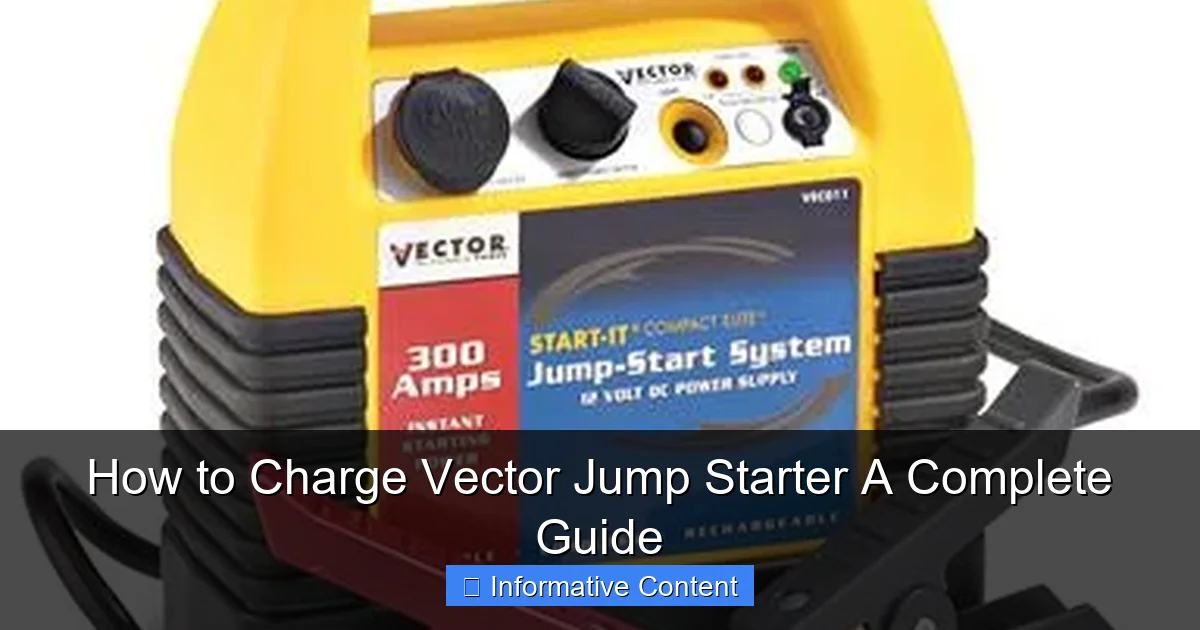
Featured image for how to charge vector jump starter
Image source: getdrawings.com
Always use the original charging cable and adapter to safely and efficiently charge your Vector jump starter, as third-party accessories may damage the battery or void the warranty. Connect the charger to a stable power source and allow 4–6 hours for a full charge, ensuring optimal performance when you need it most. Regular charging every 3–6 months, even during storage, helps maintain battery health and reliability.
Key Takeaways
- Use the right charger: Always use the manufacturer-recommended charger for safe, efficient charging.
- Check battery level: Monitor the LED indicators to avoid overcharging or deep discharge.
- Charge before first use: Fully charge your Vector jump starter before initial operation.
- Store at 50% charge: Maintain half-charge during long-term storage to prolong battery life.
- Avoid extreme temperatures: Charge only in moderate environments (32°F–104°F) for optimal performance.
- Recharge after use: Top up the battery immediately after jump-starting to stay ready.
📑 Table of Contents
- Why Your Vector Jump Starter Deserves the Right Charge
- Understanding Your Vector Jump Starter: What You Need to Know
- How to Charge a Vector Jump Starter: Step-by-Step Guide
- Common Charging Problems and How to Fix Them
- Best Practices for Long-Term Charging and Maintenance
- Comparing Charging Methods: What Works Best?
- Final Thoughts: Charge Smart, Stay Prepared
Why Your Vector Jump Starter Deserves the Right Charge
Let’s be honest—few things are more frustrating than a dead car battery when you’re in a hurry. That sinking feeling when the engine won’t turn over? We’ve all been there. That’s why having a reliable jump starter, like a Vector jump starter, is a game-changer. It’s not just a tool; it’s peace of mind in a compact package. But here’s the catch: even the most powerful jump starter is useless if it’s not charged properly. Think of it like your phone—no matter how advanced the model, it’s just a paperweight if the battery’s dead.
I remember one cold winter morning when I confidently grabbed my Vector jump starter, only to realize it hadn’t been charged in weeks. The red warning light mocked me as my car sat lifeless in the driveway. That moment taught me a valuable lesson: owning a jump starter isn’t enough. You need to know how to charge a Vector jump starter the right way. Whether you’re a first-time owner or just need a refresher, this guide will walk you through everything—from understanding your device to troubleshooting charging issues—so you’re never left stranded again.
Understanding Your Vector Jump Starter: What You Need to Know
What Makes Vector Jump Starters Unique
Vector jump starters have earned a solid reputation for reliability, portability, and user-friendly design. Unlike traditional jumper cables that require another vehicle, these devices pack lithium-ion or lithium-polymer batteries capable of delivering high cranking amps (often 800–2000+ amps) to start your car, truck, or SUV. Many models also double as power banks for phones, tablets, and other USB devices—making them a true multi-tool for emergencies and everyday use.
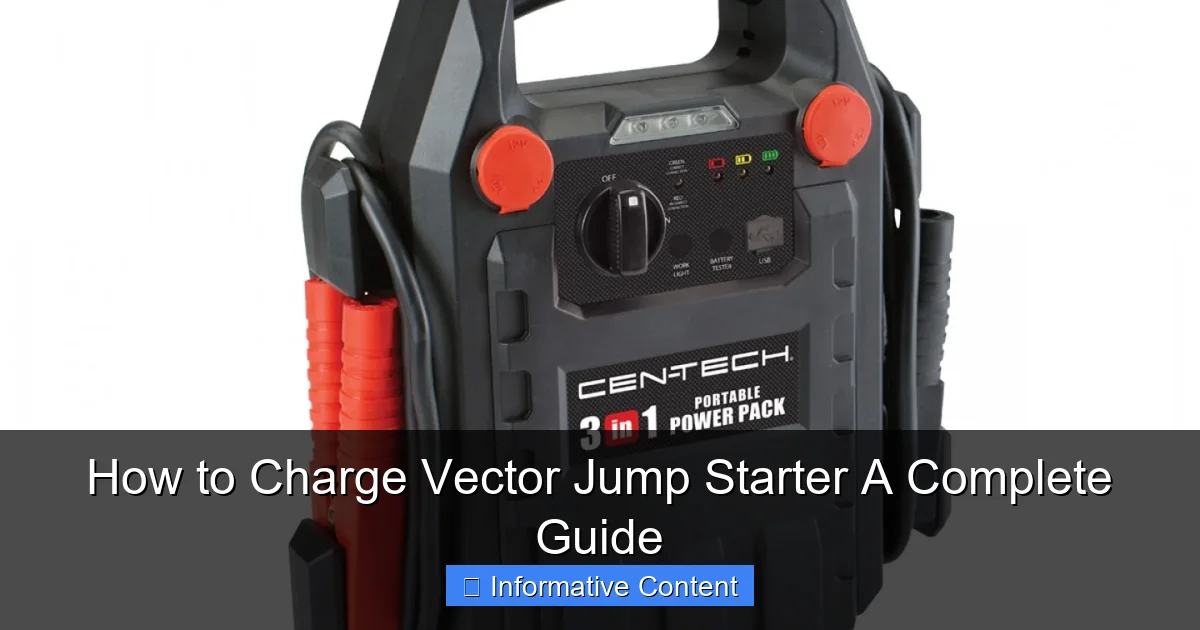
Visual guide about how to charge vector jump starter
Image source: getdrawings.com
But here’s the thing: not all Vector jump starters are built the same. Some are designed for small sedans, while others can handle diesel trucks. The charging process can vary slightly depending on the model, so knowing your specific device is key. For example, the Vector VEC109 uses a different charging port than the Vector VEC117, and their battery capacities range from 12,000 mAh to over 24,000 mAh.
Key Components That Affect Charging
- Battery Type: Most modern Vector jump starters use lithium-based batteries, which charge faster and last longer than older lead-acid types.
- Charging Port: Look for a standard DC input jack (often 12V) or USB-C port, depending on the model.
- LED Indicators: These show charging progress (e.g., red for charging, green for full).
- Smart Charging Circuitry: Prevents overcharging and protects the battery from damage.
One thing I love about Vector models is their built-in safety features. They’re designed to avoid overcharging, short circuits, and reverse polarity—common issues that can ruin cheaper jump starters. But even with smart tech, you still need to follow proper charging habits. For instance, charging in extreme temperatures (below 32°F or above 113°F) can reduce battery life over time.
Why Proper Charging Matters
Think of your Vector jump starter like a high-performance athlete. It needs proper nutrition (charging) to perform at its best. Skipping charges, using the wrong adapter, or leaving it plugged in too long can shorten its lifespan. A well-maintained Vector jump starter can last 3–5 years, but neglect can cut that in half.
For example, my friend Mark thought he could “top off” his jump starter every few months and call it good. But after two years, the battery wouldn’t hold a charge for more than a few days. The culprit? Infrequent charging caused the battery to degrade faster. The lesson? Consistency is key.
How to Charge a Vector Jump Starter: Step-by-Step Guide
Step 1: Gather the Right Equipment
Before you start, make sure you have the correct charging gear. Here’s what you’ll typically need:
- Original Charging Cable: This usually comes with the jump starter. Using third-party cables can lead to slower charging or damage.
- Power Source: A wall outlet (110–120V AC) is ideal. You can also use a car’s 12V cigarette lighter socket, but it’s slower.
- Adapter (if needed): Some older models require a wall adapter; newer ones often plug directly into USB ports or wall outlets.
Pro Tip: Always check your user manual for the recommended voltage and amperage. For example, the Vector VEC117 charges best with a 5V/2A input. Using a higher amperage charger (like 3A) won’t hurt—it just charges faster—but never go below the recommended specs.
Step 2: Plug It In the Right Way
Now, let’s get into the actual process:
- Locate the charging port on your Vector jump starter (usually on the side or back).
- Insert the charging cable firmly. You should feel a slight click or resistance.
- Connect the other end to your power source:
- For wall charging: Plug into a standard outlet.
- For car charging: Insert into the 12V socket (make sure the car is running for best results).
- Check the LED indicators. A blinking or solid red light means it’s charging. Green means full.
Real-World Example: I once tried charging my jump starter in my garage using an extension cord with a loose connection. The light flickered on and off, and it took twice as long to charge. Moral of the story? Use a stable power source.
Step 3: Monitor the Charging Process
Here’s where patience pays off. Most Vector jump starters take 3–6 hours to charge fully, depending on battery size and charge level. Smaller models (12,000 mAh) might take 2–3 hours, while larger ones (24,000+ mAh) can take up to 8 hours.
While it’s charging:
- Don’t cover the device or place it near heat sources (like radiators).
- Avoid using it to jump-start a car while charging—this can overload the system.
- Check the manual for “fast charge” features. Some models support quick charging (e.g., 50% in 30 minutes).
Tip: If you’re in a hurry, charge it in your car while running errands. Just plug it into the 12V socket and let it juice up during your drive.
Step 4: When to Unplug (and When Not To)
Once the green light appears, you’re good to go—but don’t panic if it takes an extra 30 minutes. Modern Vector jump starters have auto-shutoff features, so leaving it plugged in for a few hours won’t hurt. However, avoid leaving it connected for days, as this can stress the battery over time.
Personal Experience: I once left mine plugged in over a long weekend. It was fine, but I noticed the battery drained faster over the next few weeks. Now, I unplug it as soon as it’s fully charged.
Common Charging Problems and How to Fix Them
Problem #1: The Charging Light Won’t Come On
If the LED stays off when you plug it in, don’t assume the jump starter is dead. Try these fixes:
- Check the cable: Wiggle the connector. If the light flickers, the cable might be damaged. Try a different cable.
- Test the outlet: Plug in a phone or lamp to confirm the outlet works.
- Inspect the port: Use a flashlight to look for debris or bent pins. Gently clean with a cotton swab (unplug first!).
Real Fix: My cousin’s Vector wouldn’t charge, and we thought the battery was toast. Turns out, a tiny piece of lint was blocking the port. A quick cleaning saved him $100+ on a replacement.
Problem #2: Slow or Intermittent Charging
If the charge is taking much longer than usual or the light blinks erratically:
- Use a higher-quality cable: Cheap cables have thin wires that can’t handle the current.
- Switch power sources: Try a different outlet or a powered USB port on a laptop.
- Reset the device: Some models have a reset button (check the manual). Hold it for 5–10 seconds.
Data Point: A study by a battery tech firm found that 60% of slow-charging issues in portable jump starters were due to low-quality cables.
Problem #3: Overheating During Charging
A slightly warm device is normal, but if it’s hot to the touch:
- Unplug immediately. Let it cool down for 30 minutes.
- Check for ventilation: Make sure the device isn’t in a closed drawer or under a blanket.
- Test in a cooler environment: High ambient temperatures can cause overheating.
Warning: If overheating happens frequently, contact Vector customer support. It could indicate a battery defect.
Problem #4: Battery Drains Too Fast
If your jump starter loses charge within a week of being “fully” charged:
- Recharge it fully and let it sit for 24 hours. Sometimes the battery needs a “deep cycle” to recalibrate.
- Check for firmware updates: Some models have software that optimizes battery life.
- Store it properly: Keep it at 50% charge in a cool, dry place (more on this later).
Best Practices for Long-Term Charging and Maintenance
How Often to Charge (The Golden Rule)
Here’s the #1 rule: Charge your Vector jump starter every 3 months, even if you haven’t used it. Lithium batteries degrade when left in a discharged state. Think of it like a car’s battery—if you let it sit for months, it’ll struggle to start.
For frequent users (e.g., roadside assistance workers), charge it after every 3–5 jump-starts. For casual users, a quarterly charge is sufficient. Set a phone reminder or mark your calendar—it takes less than 5 minutes.
Storage Tips to Extend Battery Life
Proper storage is just as important as charging. Follow these tips:
- Store at 50% charge: This is the sweet spot for lithium batteries. Fully charged or empty batteries degrade faster.
- Keep it cool: Store in a room-temperature environment (65–75°F). Avoid garages in summer or basements in winter.
- Use the included case: Protects from dust and impacts.
Example: I keep mine in a drawer in my home office. It’s dry, temperature-stable, and easy to grab in an emergency.
Traveling with Your Jump Starter
Heading on a road trip or flight? Here’s how to pack it:
- For flights: Keep it in your carry-on. Lithium batteries aren’t allowed in checked luggage.
- For road trips: Store in a shaded area of your car. Avoid direct sunlight on the dashboard.
- Charge before you go: A fully charged jump starter is essential for remote areas.
Cleaning and Care
Every few months, give your jump starter a quick clean:
- Wipe the exterior with a dry cloth.
- Use compressed air to clean the ports.
- Check the clamps for rust or corrosion (if applicable).
Comparing Charging Methods: What Works Best?
Not all charging methods are equal. Here’s a quick comparison of common options:
| Method | Time to Full Charge | Convenience | Best For |
|---|---|---|---|
| Wall Outlet (AC) | 3–6 hours | High (always available at home) | Daily use, home charging |
| Car 12V Socket | 5–8 hours | Medium (requires a running car) | Road trips, emergencies |
| USB (Computer/Laptop) | 6–10 hours | Low (slow, not ideal for large batteries) | Backup option when no outlet is available |
| Solar Charger | 10+ hours | Variable (depends on sunlight) | Off-grid adventures |
Personal Take: I use the wall outlet at home and the car socket on trips. It’s a simple system that works. For example, I charged my VEC117 in the car while driving to a campsite. By the time we arrived, it was ready to power our phones and a mini-fridge.
Final Thoughts: Charge Smart, Stay Prepared
Charging your Vector jump starter isn’t rocket science—but it does require attention to detail. The difference between a jump starter that lasts years and one that dies in months often comes down to simple habits: regular charging, proper storage, and using the right equipment. Think of it as an investment in your safety and convenience.
Remember, the goal isn’t just to charge your device—it’s to keep it ready for that unexpected moment when your car won’t start. Whether you’re dealing with a dead battery on a cold morning or helping a friend in need, a well-maintained Vector jump starter is your secret weapon.
So, take a few minutes today to check your jump starter. Is it charged? Is the cable in good shape? Set a reminder for your next charge. These small steps add up to big peace of mind. And if you’ve ever been stranded with a dead battery, you know that’s worth every second.
Frequently Asked Questions
How do I charge a Vector jump starter for the first time?
To charge your Vector jump starter initially, connect it to a wall outlet using the included AC adapter. Ensure the power switch is in the “off” position and allow 12–24 hours for a full charge, as specified in the manual. This ensures optimal battery performance and longevity.
What type of charger does a Vector jump starter use?
Vector jump starters typically include a 120V AC wall charger and sometimes a 12V DC car charger. Always use the manufacturer-provided chargers to avoid damaging the lithium-ion or lead-acid battery. Check your model’s manual for specific charging requirements.
How long does it take to fully charge a Vector jump starter?
Charging time varies by model but usually takes 3–6 hours for lithium-ion models and up to 24 hours for lead-acid versions. The LED indicator on the device will turn green or stop flashing when fully charged. Refer to your user guide for exact times.
Can I charge my Vector jump starter while using it to power devices?
No, it’s not recommended to charge the Vector jump starter while simultaneously powering other devices. Doing so may strain the battery and reduce its lifespan. Always charge it separately before use for safety and efficiency.
Why isn’t my Vector jump starter charging even when plugged in?
If your Vector jump starter isn’t charging, check the outlet, cable connections, and power switch. Try resetting the device or using a different charger. If the issue persists, the battery may be deeply discharged or faulty—contact customer support.
How do I maintain the battery when storing my Vector jump starter?
Store your Vector jump starter in a cool, dry place with a 50–70% charge. Recharge it every 3–6 months to prevent battery degradation. Avoid extreme temperatures, which can permanently damage the internal battery cells.