
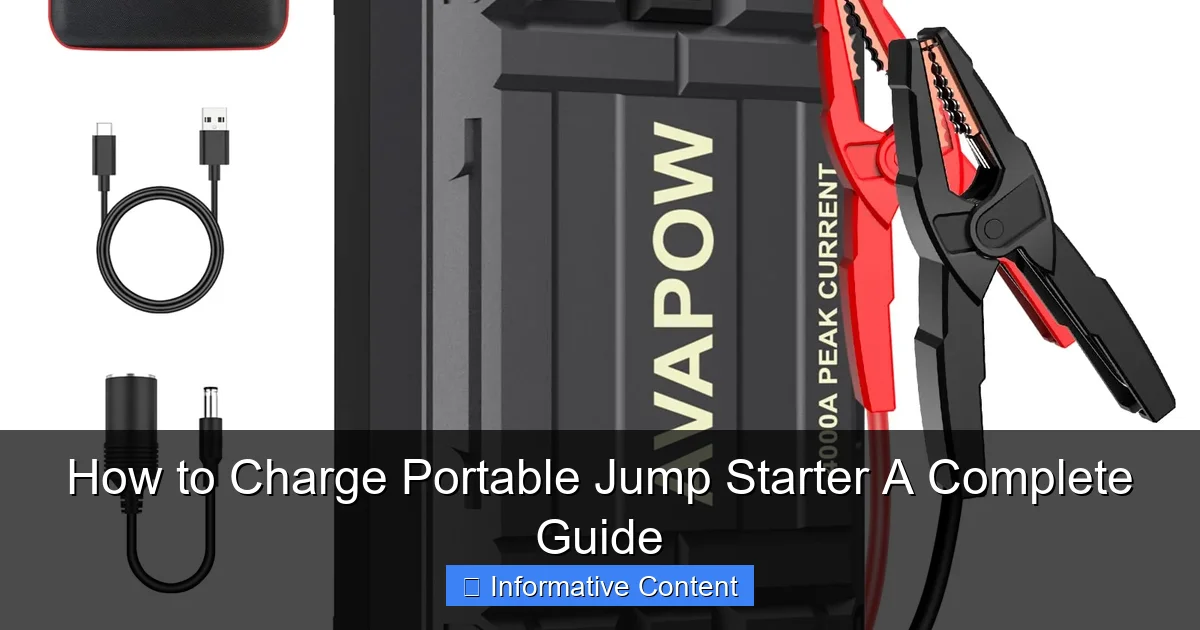
Featured image for how to charge portable jump starter
Image source: m.media-amazon.com
Always use the manufacturer-recommended charger and cable to safely and efficiently charge your portable jump starter. Connect the charger to a stable power source, ensure the jump starter’s power switch is off during charging, and monitor the indicator lights to confirm a full charge—typically taking 3–6 hours. Regular charging every 3–6 months, even during inactivity, maximizes battery life and ensures reliable performance when you need it most.
Key Takeaways
- Use the right charger: Always match voltage and connector type to avoid damage.
- Charge fully before first use: Ensures peak performance and battery longevity.
- Monitor charging time: Never exceed 8–12 hours to prevent overheating.
- Store at 50% charge: Ideal for long-term storage to maintain battery health.
- Avoid extreme temperatures: Charge only in 32°F–104°F (0°C–40°C) ranges.
- Check indicator lights: Verify charging status to avoid false full-charge readings.
📑 Table of Contents
- How to Charge Portable Jump Starter: A Complete Guide
- Understanding Your Portable Jump Starter
- How to Charge a Portable Jump Starter: Step-by-Step
- How Long Does It Take to Charge a Portable Jump Starter?
- Common Charging Mistakes to Avoid
- Tips for Maintaining Battery Health
- When to Replace Your Portable Jump Starter
- Final Thoughts: Charge Smart, Stay Prepared
How to Charge Portable Jump Starter: A Complete Guide
Imagine this: you’re running late for work, you hop into your car, turn the key—and nothing. The engine won’t start. You’re stranded, and your phone battery is already low. Sound familiar? I’ve been there. That’s when I realized how essential a portable jump starter is. It’s not just a backup—it’s peace of mind. But here’s the thing: a jump starter is only as good as its charge. If it’s dead when you need it most, it’s about as useful as a paperweight.
That’s why knowing how to charge a portable jump starter properly is crucial. It’s not just about plugging it in and hoping for the best. Different models have different charging requirements, and charging methods can vary. Some use wall outlets, others charge via USB-C, and a few even support solar charging. If you’ve ever wondered, “How long does it take to charge a portable jump starter?” or “Can I overcharge it?”—you’re not alone. In this guide, I’ll walk you through everything you need to know, from understanding your device to maintaining it for long-term reliability. Whether you’re a first-time buyer or just looking to get more out of your current jump starter, this guide has you covered.
Understanding Your Portable Jump Starter
Before we dive into charging, let’s get familiar with what a portable jump starter actually is. At its core, it’s a compact lithium-ion battery pack designed to deliver a high burst of power to jump-start a dead car battery. Unlike traditional jumper cables that rely on another vehicle, a portable jump starter is self-contained—meaning you don’t need a second car to get going.
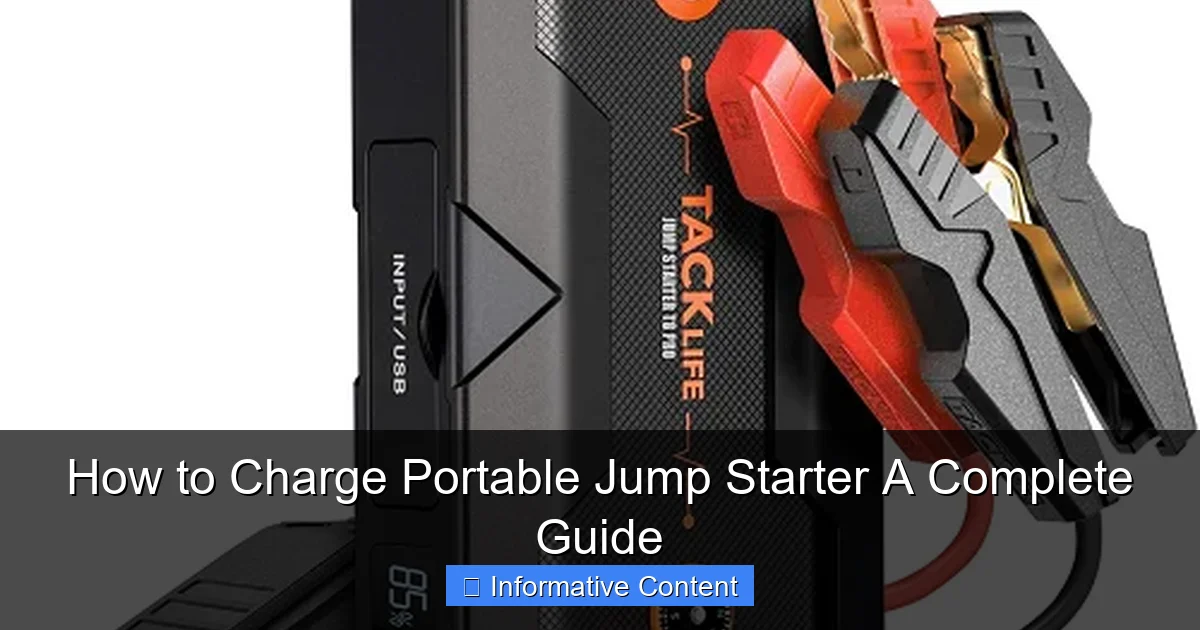
Visual guide about how to charge portable jump starter
Image source: freebies2deals.com
Most modern portable jump starters come with additional features like built-in flashlights, USB ports for charging phones, and even air compressors for inflating tires. But the heart of the device is the battery, and that’s what needs to be charged properly. The capacity of a jump starter is usually measured in milliampere-hours (mAh) or peak amps. For example, a 10,000mAh jump starter might deliver up to 1,000 peak amps—enough to start most cars, SUVs, and even small trucks.
Types of Portable Jump Starters
Not all jump starters are created equal. Here are the main types you’ll encounter:
- Lithium-ion (Li-ion): Lightweight, compact, and fast-charging. Most common in modern models.
- Lithium Polymer (LiPo): Similar to Li-ion but often more durable and with a longer lifespan.
- Lead-Acid: Older technology, heavier, but often cheaper. Less common in portable units today.
Lithium-based jump starters dominate the market because they’re lightweight and hold a charge well. But they also require specific charging methods to avoid damage. For example, Li-ion batteries don’t like being fully drained or overcharged. That’s why understanding your device’s battery type is the first step to proper charging.
Key Components to Know
When you open the box, you’ll typically find:
- The jump starter unit
- Jumper cables (usually with clamps)
- Charging cable (USB-C, micro-USB, or AC adapter)
- User manual
Pay close attention to the charging port. Some models use USB-C for fast charging, while others rely on a standard wall adapter. The user manual will tell you the recommended charging method and estimated charging time. Don’t skip this step—manufacturers design their devices with specific charging protocols for a reason.
How to Charge a Portable Jump Starter: Step-by-Step
Now that you know what you’re working with, let’s get into the actual charging process. Charging a portable jump starter is usually straightforward, but doing it correctly ensures safety and longevity.
Step 1: Check the Current Charge Level
Most jump starters have an LED indicator or a digital display showing the battery level. Before charging, check how much juice is left. If it’s completely dead, it may take longer to charge. Some devices won’t even start charging if the battery is below a certain threshold—usually around 10%. If that’s the case, you might need to use a “trickle charge” method or contact customer support.
Step 2: Choose the Right Charging Method
This is where things get interesting. There are typically three ways to charge a portable jump starter:
- Wall Outlet (AC Charging): The fastest and most reliable method. Use the included AC adapter and plug it into a standard 120V outlet. This is ideal for home use.
- USB Charging (via Computer or Power Bank): Slower but convenient. Great for topping off the charge while traveling. USB-C is faster than micro-USB.
- Car Charger (12V DC): Useful if you’re on the road and don’t have access to a wall outlet. Plug the charger into your car’s cigarette lighter port.
For example, if you’re at home, use the wall outlet. If you’re camping and your phone is dying, you can charge your jump starter from your power bank—just know it’ll take longer.
Step 3: Connect and Monitor
Once you’ve chosen your method, connect the charging cable to the jump starter and the power source. Make sure the connection is secure. Some models will show a blinking light or a charging icon when active. Let it charge uninterrupted.
Here’s a pro tip: don’t leave it charging overnight unless the manufacturer says it’s safe. Most modern jump starters have overcharge protection, but it’s still best to unplug once fully charged. Overcharging can reduce battery life over time, even with protection circuits.
Step 4: Confirm Full Charge
Once the LED indicators show all lights are solid (or the display reads 100%), your jump starter is ready. Unplug it and store it in a cool, dry place. Avoid extreme temperatures—both hot and cold can damage the battery.
For example, I keep mine in my car’s glove compartment, but I avoid leaving it there in summer. The heat inside a parked car can exceed 140°F, which is bad for lithium batteries. Instead, I bring it inside during hot months and store it in a climate-controlled space.
How Long Does It Take to Charge a Portable Jump Starter?
This is one of the most common questions I get. The answer depends on several factors: battery capacity, charging method, and the current charge level.
Let’s break it down with some real-world examples:
- A 10,000mAh jump starter charged via USB-C (18W) might take 3–4 hours.
- The same unit charged via a standard wall adapter (30W) could take 2–3 hours.
- If you’re using a car charger or a low-power USB port, expect 5–6 hours or more.
Here’s a quick reference table to help you estimate charging times:
| Battery Capacity | Charging Method | Estimated Charging Time |
|---|---|---|
| 5,000mAh | USB-C (18W) | 2–3 hours |
| 10,000mAh | Wall Adapter (30W) | 3–4 hours |
| 15,000mAh | Car Charger (12V) | 6–8 hours |
| 20,000mAh | USB-A (10W) | 8–10 hours |
Keep in mind, these are estimates. Actual times may vary based on the device’s internal circuitry and battery health. Some high-end models support fast charging and can reach 80% in under an hour.
Why Charging Time Varies
Battery chemistry plays a big role. Lithium-ion batteries charge quickly at first (up to 80%) and then slow down as they approach full capacity. This is called “trickle charging” and helps protect the battery. So even if your jump starter says it’s “fast charging,” the last 20% might take just as long as the first 80%.
Also, temperature affects charging speed. Charging in cold weather (below 32°F) can slow things down or even prevent charging altogether. If your jump starter feels cold, warm it up to room temperature before plugging it in.
Common Charging Mistakes to Avoid
Even with the best intentions, it’s easy to make mistakes when charging your portable jump starter. Here are the most common ones—and how to avoid them.
Using the Wrong Charger
Not all chargers are created equal. Using a low-quality or incompatible charger can damage your jump starter or cause it to charge slowly. Always use the charger that came with the device, or a certified replacement. For example, if your jump starter supports USB-C PD (Power Delivery), use a PD-compatible charger for optimal speed.
I once tried charging my jump starter with a cheap USB cable from a discount store. It took over 10 hours and never reached full charge. Lesson learned: invest in quality cables.
Leaving It Plugged In Too Long
While most jump starters have overcharge protection, leaving them plugged in for days isn’t ideal. It can stress the battery and reduce its lifespan. Aim to charge only when needed—ideally when the battery drops below 50%.
If you’re storing your jump starter for a long time (like over the winter), charge it to about 50–60% before putting it away. This is the “sweet spot” for lithium batteries in storage.
Charging in Extreme Temperatures
Heat and cold are enemies of battery health. Avoid charging your jump starter in direct sunlight, inside a hot car, or in freezing conditions. Ideal charging temperature is between 50°F and 86°F (10°C to 30°C).
For example, if you’re at the beach and your jump starter is in your bag, don’t plug it in right away. Let it cool down first. The same goes for winter—bring it inside and let it warm up before charging.
Ignoring the User Manual
It’s tempting to skip the manual, but it contains vital information. Different brands have different charging protocols. Some require a specific sequence (like holding a button while plugging in), while others have safety warnings. Always read the manual before your first charge.
Tips for Maintaining Battery Health
Charging your jump starter correctly is one thing, but maintaining its battery over time is another. A well-maintained jump starter can last 3–5 years or more. Here’s how to keep it in top shape.
Charge Regularly, But Not Constantly
Try to charge your jump starter every 2–3 months, even if you haven’t used it. Lithium batteries slowly lose charge over time—this is called “self-discharge.” If you leave it uncharged for too long, the battery can drop to a level where it won’t accept a charge.
I set a reminder on my phone every two months to check and charge mine. It takes 10 minutes and gives me peace of mind.
Store Properly
When not in use, store your jump starter in a cool, dry place. Avoid humidity, direct sunlight, and temperature extremes. A closet or drawer inside your home is ideal. If you keep it in your car, consider removing it during extreme weather.
Avoid Full Discharge
Try not to let your jump starter die completely. Repeatedly draining it to 0% can shorten its lifespan. Most manufacturers recommend recharging when the battery reaches 20–30%.
Keep It Clean
Dust and debris can interfere with charging ports. Use a dry cloth to wipe the device and a can of compressed air to clean the ports. Avoid water or cleaning solutions—most jump starters aren’t waterproof.
When to Replace Your Portable Jump Starter
Even with the best care, jump starters don’t last forever. Here are signs it might be time for a replacement:
- The battery won’t hold a charge (drops from 100% to 0% in hours)
- It takes much longer to charge than before
- The device overheats during charging or use
- Physical damage (cracks, swelling, or leaking)
- It fails to jump-start your car after multiple attempts
If you notice any of these issues, stop using the device immediately. A swollen battery is especially dangerous—it can leak or even catch fire. Contact the manufacturer for warranty support or recycle it properly at an electronics disposal center.
On average, a quality portable jump starter should last 3–5 years with regular use. High-end models with better battery management systems may last longer.
Final Thoughts: Charge Smart, Stay Prepared
Charging your portable jump starter isn’t complicated, but it does require attention to detail. From choosing the right method to avoiding common mistakes, small actions can make a big difference in performance and safety. Remember, your jump starter is only as reliable as its last charge. By following this guide, you’ll ensure it’s ready when you need it most—whether you’re stranded in a parking lot or on a remote road trip.
Think of it like this: you wouldn’t drive your car with low tire pressure or ignore the check engine light. Treat your jump starter with the same care. Charge it properly, store it wisely, and maintain it regularly. In return, it’ll give you years of dependable service. After all, peace of mind is priceless—and a fully charged jump starter is one of the simplest ways to get it.
Frequently Asked Questions
How do I charge a portable jump starter for the first time?
To charge your portable jump starter initially, connect it to a power source (like a wall outlet or car charger) using the provided cable. Most models require 8–12 hours for a full charge, so refer to your user manual for specifics.
Can I charge a portable jump starter while using it to jump-start a car?
No, never charge and discharge a jump starter simultaneously. Doing so can damage the battery or pose safety risks. Always fully charge it before use and recharge after each jump-start.
What type of charger should I use to charge my portable jump starter?
Use only the manufacturer-provided charger or a compatible one with matching voltage/output (check the manual). Using third-party chargers may void warranties or harm the battery.
How long does it take to fully charge a portable jump starter?
Charging time varies by model but typically takes 3–12 hours. High-capacity lithium jump starters may take longer, while smaller units charge faster. Always monitor the indicator lights for completion.
Is it safe to leave my portable jump starter charging overnight?
Yes, most modern jump starters have overcharge protection, making overnight charging safe. However, avoid leaving older models unattended for extended periods to prevent battery degradation.
Why won’t my portable jump starter hold a charge?
This could indicate a depleted battery, faulty charger, or connection issues. Try resetting the unit, testing with a different cable, or contacting support if the problem persists after troubleshooting.