

Featured image for does jump starting a car charge the battery
Image source: tontio.com
Jump starting a car does not fully charge a dead battery—it only provides enough power to start the engine. While the alternator recharges the battery slightly during driving, a prolonged drive or dedicated battery charger is needed for a complete recharge. Relying solely on a jump start risks repeated failure and reduced battery lifespan.
Key Takeaways
- Jump starts don’t fully charge batteries: They only provide temporary power to start the engine.
- Drive immediately after jump starting: Keeps the alternator charging the battery to restore power.
- Short trips won’t recharge enough: Longer drives (30+ mins) are needed for full battery recovery.
- Repeated jump starts indicate bigger issues: Test the battery, alternator, or charging system soon.
- Use a charger for deep discharges: Jump starting can’t replace proper battery charging for dead cells.
- Turn off accessories during jump: Reduces strain on the weak battery and alternator.
- Monitor battery health after jump: Weak batteries may need replacement, not just recharging.
📑 Table of Contents
- Does Jump Starting a Car Charge the Battery Fast?
- How Jump Starting Actually Works
- Does Jump Starting Charge the Battery Fast?
- How Long Does It Take to Recharge a Jump-Started Battery?
- Signs Your Battery Isn’t Holding a Charge After a Jump
- Best Practices After Jump Starting Your Car
- Common Myths About Jump Starting and Battery Charging
- Battery Charging Time Comparison Table
- Final Thoughts: Be Prepared, Not Surprised
Does Jump Starting a Car Charge the Battery Fast?
Picture this: It’s a cold Monday morning, you’re running late for work, and you hop into your car—only to hear that dreaded clicking sound when you turn the key. Your heart sinks. The battery’s dead. You grab your jumper cables, flag down a kind stranger (or call roadside assistance), and within minutes, your engine roars back to life. Relief washes over you. But then a question pops into your head: Does jump starting a car actually charge the battery fast?
It’s a common misconception that once your car starts after a jump, the battery is “good to go” and fully charged. But the truth is a bit more nuanced. Jump starting your car gives it the initial power boost needed to crank the engine, but it doesn’t instantly recharge the battery like plugging in a phone. Instead, it’s more like giving a tired runner a push at the start line—they can begin moving, but they still need time to regain their stamina. Understanding how jump starting works—and what happens to your battery afterward—can save you from being stranded again down the road.
How Jump Starting Actually Works
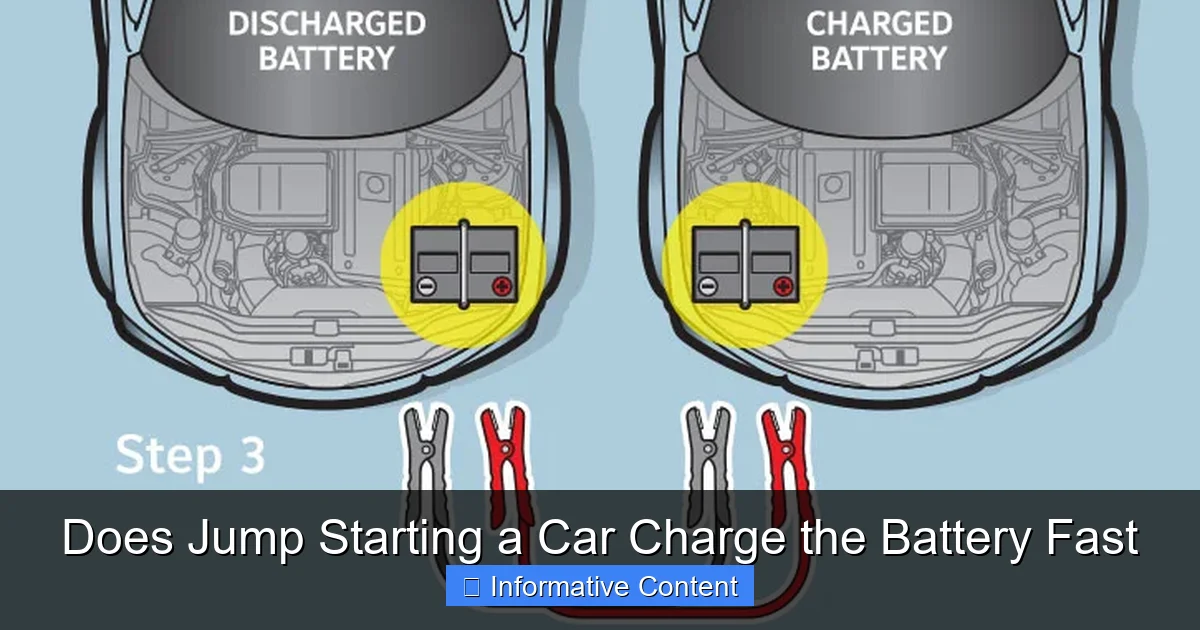
Jump starting a car is essentially a temporary power transfer from a healthy battery to a dead one. When your car’s battery is too weak to turn over the engine, connecting it to another vehicle’s battery (or a portable jump starter) provides the necessary voltage and amperage to get things moving. But here’s the key point: jump starting doesn’t recharge your battery—it just gives it enough power to start the engine.
Visual guide about does jump starting a car charge the battery
Image source: useast2prodbrandsites.blob.core.windows.net
The Science Behind the Jump
Car batteries operate on a chemical reaction that produces electricity. When the battery is fully charged, it holds around 12.6 volts. Once it drops below 12 volts, it may struggle to start the car. Jump starting bypasses this issue by using an external power source to deliver a surge of electricity directly to your car’s electrical system. This surge allows the starter motor to engage and the engine to turn over.
Once the engine is running, the alternator—a small generator driven by the engine—takes over. It begins producing electricity to power the car’s systems and, importantly, to recharge the battery. So while the jump start gets you moving, the real “charging” happens afterward, thanks to the alternator.
What Happens After the Engine Starts?
After a successful jump, your car’s alternator starts generating electricity. However, it doesn’t instantly restore your battery to full capacity. Think of it like filling a leaky bucket: the alternator is pouring water in, but if the battery has a problem (like a sulfated plate or internal damage), it may not hold a charge well. In ideal conditions, a healthy battery can regain a significant charge within 30 minutes to an hour of driving. But if the battery is old or damaged, it might never reach full charge—even after a long drive.
For example, let’s say your battery was at 10 volts when it died. After a jump and 45 minutes of highway driving, it might climb to 12.2 volts—better, but not fully charged. A healthy battery should sit at around 12.6 volts when the car is off and fully charged.
Does Jump Starting Charge the Battery Fast?
The short answer? No, jump starting does not charge the battery fast—at least not in the way most people think. It provides an immediate power boost to start the engine, but the actual recharging process is gradual and depends on several factors.
Why It Feels Like It Charges Fast
After a jump, your car starts right up, and everything seems normal. The lights work, the radio plays, and the engine runs smoothly. This can give the illusion that the battery is “charged.” But in reality, the alternator is doing most of the heavy lifting. It’s powering the car’s electrical systems and slowly replenishing the battery’s charge over time.
Imagine you’re at a coffee shop with a dead phone. You plug it into a portable charger for 10 minutes—it turns on and shows 20% battery. You can use it, but it’s not fully charged. That’s similar to what happens with a jump-started car. The battery has enough power to function, but it’s not at full strength.
Factors That Affect Charging Speed
Several variables determine how quickly your battery recharges after a jump:
- Driving conditions: Highway driving at consistent speeds allows the alternator to work efficiently. Stop-and-go city traffic may not provide enough sustained RPMs for optimal charging.
- Battery health: A new, healthy battery accepts a charge faster than an old or damaged one. Sulfation (a buildup of lead sulfate crystals) can reduce a battery’s ability to hold a charge.
- Electrical load: Running headlights, air conditioning, or the stereo while driving draws power away from the charging system, slowing down battery recharge.
- Alternator output: If your alternator is weak or failing, it won’t generate enough power to recharge the battery effectively.
For instance, if you jump-start your car and immediately drive 20 minutes on the highway with minimal electrical usage, your battery might regain 60–70% of its charge. But if you’re stuck in traffic with the heater blasting and the radio on, that same 20-minute drive might only restore 30–40%.
How Long Does It Take to Recharge a Jump-Started Battery?
The time it takes to recharge a jump-started battery varies widely based on the factors mentioned above. On average, a healthy battery can regain a usable charge (enough to start the car again) in about 30 minutes of driving. However, reaching a full, optimal charge can take several hours.
Real-World Charging Scenarios
Let’s look at a few practical examples:
- Scenario 1: You jump-start your car on a cold morning and drive 45 minutes on the highway with minimal electrical load. Your battery voltage rises from 10.5V to 12.4V—enough to start the car again, but not fully charged.
- Scenario 2: You jump-start your car and only drive 10 minutes in stop-and-go traffic with the heater and defroster on. The battery might only reach 11.8V—still too weak to start the car reliably if you turn it off.
- Scenario 3: You jump-start your car and let it idle in the driveway for 30 minutes. The alternator charges the battery slowly, but not efficiently. You might gain only 0.5V in that time.
These examples show that driving time alone isn’t the only factor—driving conditions and electrical usage play a big role.
When to Use a Battery Charger Instead
If your battery dies frequently or you don’t plan to drive for an extended period, a dedicated battery charger is a better option than relying on jump starts and driving. A smart charger can safely recharge a dead battery overnight and even perform maintenance charging to extend battery life.
For example, a 10-amp smart charger can fully recharge a typical 12V car battery in 6–12 hours, depending on its state of discharge. These chargers monitor voltage and adjust the charge rate automatically, preventing overcharging—a common issue with older chargers.
Signs Your Battery Isn’t Holding a Charge After a Jump
Sometimes, a jump start gets your car running, but the underlying battery problem remains. If your battery isn’t holding a charge, it’s a sign that it may be nearing the end of its life. Here are some warning signs to watch for:
Frequent Jump Starts
If you find yourself needing a jump start more than once every few months, your battery is likely failing. Most car batteries last 3–5 years, and repeated deep discharges (like those caused by leaving lights on) can shorten their lifespan.
Slow Engine Crank
Even after a jump and a long drive, if your engine cranks slowly when you start the car, the battery may not be holding a full charge. This is especially noticeable in cold weather, when batteries are under more strain.
Dim Lights or Electrical Issues
If your headlights dim when the engine is idling or you notice flickering dashboard lights, it could mean the alternator isn’t charging the battery properly—or the battery can’t accept a charge. This is a red flag that should be checked by a mechanic.
Battery Age and Physical Condition
Check the manufacture date on your battery (usually a sticker with a code like “A23” for January 2023). If it’s more than 4 years old, it’s time to consider a replacement. Also, inspect for swelling, leaks, or corrosion on the terminals—these are signs of damage.
For example, a friend once jump-started her car every morning for a week. She assumed the battery just needed time to recharge. But when she took it to a shop, they found it was 6 years old and had internal damage. Replacing it solved the problem immediately.
Best Practices After Jump Starting Your Car
Jump starting is a temporary fix, not a long-term solution. To get the most out of your battery and avoid future breakdowns, follow these best practices after a jump:
Drive for at Least 30 Minutes
After a jump, drive your car for at least 30 minutes at highway speeds (if possible) to give the alternator time to recharge the battery. Avoid short trips that don’t allow the engine to reach operating temperature.
Turn Off Non-Essential Electronics
Minimize electrical load by turning off the radio, air conditioning, heated seats, and other accessories while driving. This allows more power to go toward charging the battery.
Test the Battery and Charging System
Visit an auto parts store or mechanic to have your battery and alternator tested. Many stores offer free testing. This can reveal whether the battery is holding a charge or if the alternator is failing.
Consider a Battery Maintainer
If you don’t drive often (e.g., weekend-only use), a battery maintainer or trickle charger can keep your battery topped up. These devices plug into a wall outlet and provide a low, steady charge to prevent discharge.
Replace Old Batteries Proactively
Don’t wait for a dead battery to replace it. If your battery is more than 4 years old, consider replacing it before winter or long trips. A new battery is cheaper than a tow truck and a lot less stressful.
Common Myths About Jump Starting and Battery Charging
There’s a lot of misinformation out there about jump starting and battery care. Let’s clear up some common myths:
Myth 1: “Jump Starting Fully Charges the Battery”
False. Jump starting only provides enough power to start the engine. The alternator does the actual charging, and it takes time.
Myth 2: “Letting the Car Idle Charges the Battery Fast”
Not really. Idling produces low RPMs, which means the alternator generates less power. You’ll get a much better charge by driving at higher speeds.
Myth 3: “If the Car Starts After a Jump, the Battery Is Fine”
Not necessarily. A jump can mask underlying issues like a weak alternator or a failing battery. Testing is the only way to know for sure.
Myth 4: “All Jump Starters Are the Same”
Portable jump starters vary widely in power and safety features. A high-quality model with surge protection and a built-in air compressor is worth the investment.
Battery Charging Time Comparison Table
| Charging Method | Average Time to 80% Charge | Best For | Limitations |
|---|---|---|---|
| Jump Start + 30-Minute Drive | 30–45 minutes | Quick recovery after a dead battery | Depends on driving conditions and battery health |
| Jump Start + 1-Hour Highway Drive | 60–90 minutes | Better charge, especially in cold weather | Requires access to highway or long drive |
| Smart Battery Charger (10A) | 6–12 hours | Full, safe recharge; ideal for maintenance | Requires access to power outlet; not portable |
| Trickle Charger (2A) | 24–48 hours | Maintaining charge on infrequently used vehicles | Very slow; not suitable for emergency use |
| Portable Jump Starter (with recharge) | N/A (used to start, not charge) | Emergency starts; no other vehicle needed | Does not recharge your battery—only starts the car |
Final Thoughts: Be Prepared, Not Surprised
So, does jump starting a car charge the battery fast? The answer is clear: no, it doesn’t charge the battery quickly—but it does get your car running so the alternator can begin the slower, more effective charging process. Think of jump starting as the first step in recovery, not the final solution.
Understanding this distinction can save you from repeated breakdowns and costly repairs. A jump start is a lifeline, but it’s not a cure. If your battery dies often, it’s time to investigate the root cause—whether it’s an old battery, a faulty alternator, or parasitic drain from an electrical issue.
Take care of your battery, drive regularly, and keep a portable jump starter or set of cables in your trunk. And when in doubt, get your battery tested. A few minutes at an auto shop could save you hours of frustration on a cold, dark road. After all, the best kind of jump start is the one you never need.
Frequently Asked Questions
Does jump starting a car charge the battery fast?
Jump starting a car provides immediate power to start the engine but does not charge the battery quickly. The alternator needs time to recharge the battery once the engine is running.
How long do you have to drive after a jump start to charge the battery?
You should drive for at least 30 minutes after a jump start to allow the alternator to recharge the battery sufficiently. Short trips may not provide enough charging time.
Can a jump start fully recharge a dead battery?
A jump start alone cannot fully recharge a dead battery; it only gives enough power to start the engine. The alternator must recharge the battery during continued operation.
Will the battery die again after a jump start if I turn the car off?
Yes, if the battery wasn’t sufficiently recharged, it may die again after turning off the engine. This is common if the drive time after jump starting was too short.
Does jump starting damage the battery or alternator?
Jump starting properly does not damage the battery or alternator. However, incorrect connections or repeated jump starts on a failing battery can cause issues.
Can I use a jump starter pack to charge my car battery?
A jump starter pack can start your car but won’t charge the battery like a charger would. It delivers a burst of power to start the engine, not a slow, full recharge.