
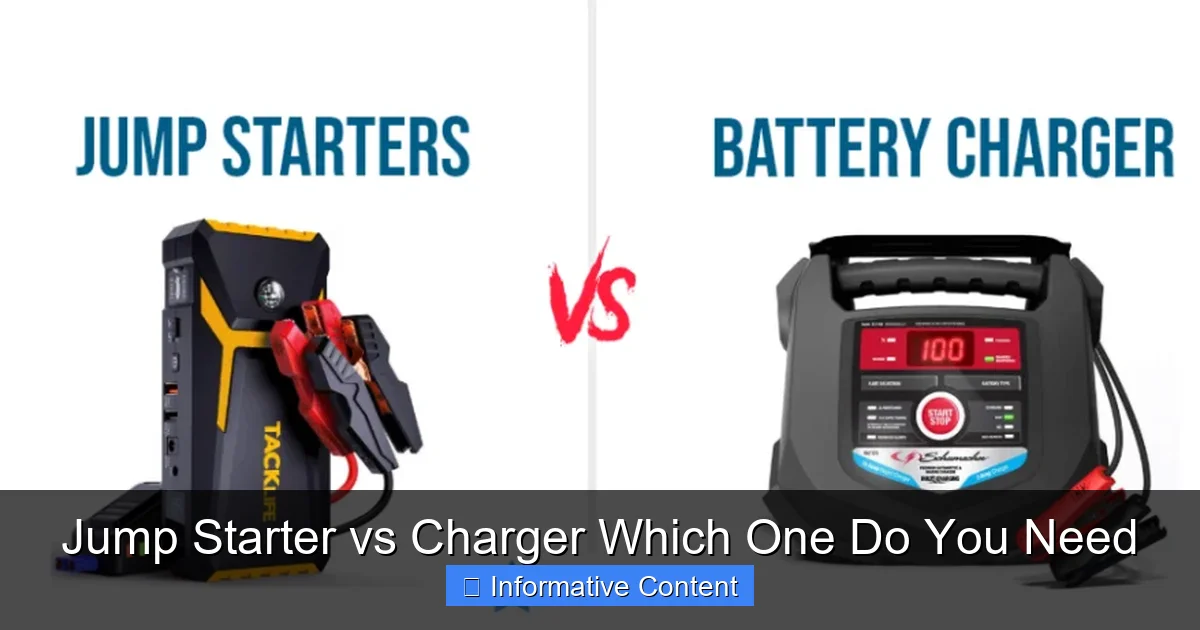
Featured image for jump starter vs charger
Image source: static.bestviewsreviews.com
Choosing between a jump starter and a charger depends on your immediate need: a jump starter delivers a quick, portable power boost to revive a dead battery in minutes, while a charger replenishes battery power slowly over time. If you’re stranded with a no-start vehicle, a jump starter is essential for emergency situations, whereas a charger is ideal for routine maintenance and long-term battery health. Pick based on urgency, convenience, and usage—both are valuable, but serve very different purposes.
Key Takeaways
- Jump starters deliver instant power to revive dead batteries without another vehicle.
- Chargers replenish battery power slowly, ideal for maintenance, not emergencies.
- Choose jump starters for portability and roadside emergencies when time is critical.
- Use chargers for long-term battery health and regular upkeep at home.
- Jump starters are safer, avoiding risks of incorrect polarity during connections.
- Chargers offer multi-stage charging to prevent overcharging and extend battery life.
- Combine both for full battery care: emergencies and routine maintenance.
📑 Table of Contents
- Jump Starter vs Charger: Which One Do You Need?
- What Is a Jump Starter?
- What Is a Car Battery Charger?
- Jump Starter vs Charger: Key Differences
- When to Use a Jump Starter
- When to Use a Battery Charger
- Can You Use Both?
- Choosing the Right Device for Your Needs
- Data Table: Jump Starter vs Charger Comparison
- Final Thoughts: Jump Starter vs Charger – Which One Do You Need?
Jump Starter vs Charger: Which One Do You Need?
Picture this: It’s a cold Monday morning. You’re running late for work, coffee in hand, keys jingling in your pocket. You walk out to your car, press the key fob—nothing. The dashboard lights flicker weakly, and when you turn the key, the engine just clicks. Your heart sinks. Dead battery.
Now, what’s your next move? Do you call a friend to help you jump-start the car? Wait for roadside assistance? Or do you reach into your trunk and pull out a compact device that gets you back on the road in minutes—no help needed? If you’ve ever been stranded because of a dead battery, you know how frustrating and stressful it can be. That’s why more and more drivers are investing in either a jump starter or a car battery charger—but which one is right for you?
In this guide, we’ll break down the key differences between jump starters and battery chargers, help you understand when to use each, and give you practical advice so you can make the best choice for your vehicle and lifestyle. Whether you’re a daily commuter, weekend road-tripper, or someone who just wants peace of mind, this comparison will help you decide: jump starter vs charger—which one do you need?
What Is a Jump Starter?
A jump starter, also known as a portable jump starter or jump box, is a compact, battery-powered device designed to deliver a quick burst of power to a dead car battery, allowing you to start your engine without needing another vehicle or external power source.
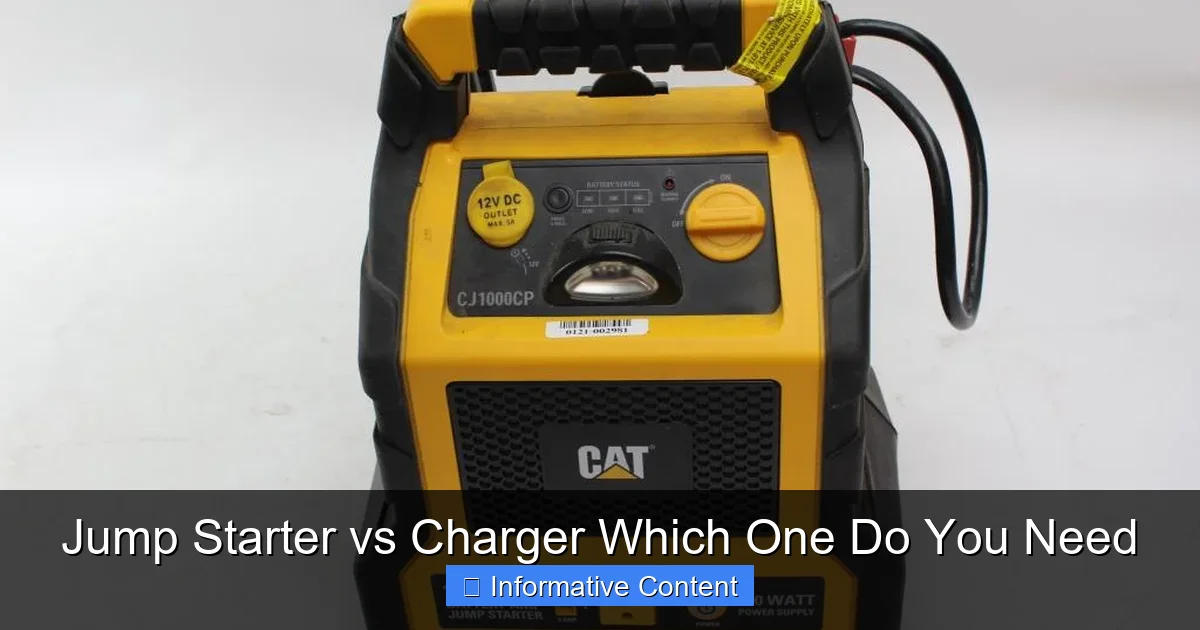
Visual guide about jump starter vs charger
Image source: content.propertyroom.com
Unlike traditional jumper cables, which require a second car and a working battery, a jump starter is self-contained. It has its own internal battery (usually lithium-ion), built-in safety features, and clamps that connect directly to your car’s battery terminals. Once connected, it sends a surge of electricity to crank the engine—no waiting, no calling for help.
How Does a Jump Starter Work?
Jump starters store electrical energy in their internal battery. When your car battery is dead, the jump starter acts like a temporary power source. You connect the red (positive) clamp to the positive terminal of your car battery and the black (negative) clamp to a grounded metal part of the engine block. Once connected, you turn on the jump starter, and it delivers a high-current charge to the battery, giving your engine the boost it needs to start.
Most modern jump starters also come with additional features like:
- USB ports for charging phones or tablets
- Built-in LED flashlights (great for emergencies at night)
- Digital displays showing battery level or voltage
- Safety protections against reverse polarity, overcurrent, and short circuits
Real-World Example: Sarah’s Morning Rescue
Sarah, a nurse who works early shifts, once found herself stranded in a hospital parking garage at 5:30 a.m. Her car wouldn’t start, and no one was around to help. Luckily, she had a portable jump starter in her glove compartment. Within three minutes, she was on her way—no tow truck, no waiting, no stress. That jump starter paid for itself in peace of mind alone.
Jump starters are ideal for:
- Emergency situations when you’re alone
- Remote locations with no other vehicles nearby
- People who want independence from roadside assistance
- Older vehicles with weak batteries
What Is a Car Battery Charger?
A car battery charger, on the other hand, is a device that slowly replenishes the charge in a car battery over time. Unlike a jump starter, which gives a quick power burst, a charger is designed for long-term battery maintenance and recovery.
Chargers plug into a standard wall outlet and connect to your car battery using clamps or ring terminals. They deliver a low, steady current that gradually restores the battery’s charge. Some advanced models use smart technology to monitor the battery’s condition and adjust the charging rate accordingly.
How Does a Battery Charger Work?
Battery chargers work by converting AC power from your wall outlet into DC power that your car battery can use. They typically operate in stages:
- Bulk Charge: Delivers maximum current to quickly restore most of the battery’s charge.
- Absorption Charge: Slows the current as the battery nears full capacity to avoid overcharging.
- Float Charge: Maintains the battery at full charge with a low trickle current.
This multi-stage process helps extend battery life and prevents damage from overcharging.
Types of Battery Chargers
There are several types of car battery chargers, each suited for different needs:
- Trickle Chargers: Deliver a very low current over a long period. Best for maintaining batteries during storage (e.g., for classic cars or motorcycles).
- Smart Chargers: Automatically detect battery type and condition, adjusting the charge accordingly. Great for modern vehicles with advanced electronics.
- Fast Chargers: Designed to recharge a battery quickly, but may reduce battery lifespan if used frequently.
- Desulfation Chargers: Help reverse sulfation—a common cause of battery failure—by sending pulses to break down sulfate crystals.
Real-World Example: Mike’s Winter Prep
Mike lives in Minnesota, where winters are brutal. Every fall, he uses a smart battery charger to top off his car’s battery before the first snowfall. This routine has kept his battery healthy for over five years, even in -20°F weather. He says the charger is one of the best investments he’s made for his vehicle.
Battery chargers are ideal for:
- Long-term battery maintenance
- Vehicles that sit unused for weeks or months
- Extreme climates (hot or cold)
- Owners of classic or collector cars
- People who want to extend battery life
Jump Starter vs Charger: Key Differences
Now that we’ve covered what each device does, let’s compare them side by side. Understanding the differences will help you decide which tool fits your needs.
Speed of Use
The biggest difference is speed. A jump starter is built for immediate action. If your battery is dead, you can be back on the road in under five minutes. A battery charger, however, can take anywhere from 4 to 24 hours to fully recharge a dead battery, depending on the charger type and battery size.
For example, a 10-amp charger might take 6–8 hours to recharge a standard 48-amp-hour car battery. A trickle charger could take over a day. So if you need to get going now, a jump starter wins.
Power Source
Jump starters are portable and self-powered. You don’t need an outlet or another vehicle. This makes them perfect for roadside emergencies, camping trips, or rural areas. Chargers, however, require a wall outlet. If you’re stuck in the middle of nowhere with no electricity, a charger won’t help.
Battery Health and Longevity
Jump starters don’t improve battery health—they just give it a jump. In fact, frequent jump-starts can stress a weak battery and shorten its lifespan. Chargers, especially smart ones, are designed to maintain and even restore battery health. They can reverse sulfation, balance cell voltage, and prevent overcharging.
If you want your battery to last longer, a charger is the better long-term solution.
Cost Comparison
Jump starters typically range from $50 to $200, depending on power output and features. High-end models with 2000+ peak amps and USB-C fast charging can cost more. Battery chargers vary widely too—basic trickle chargers start around $30, while advanced smart chargers can go up to $150 or more.
In general, jump starters offer more immediate value for emergency use, while chargers are a better investment for ongoing maintenance.
Ease of Use
Both devices are easy to use, but jump starters are simpler in a pinch. Most have color-coded clamps, automatic shutoff, and clear instructions. Chargers may require a bit more setup—choosing the right charge mode, connecting to a power source, and monitoring the process.
However, modern smart chargers often have one-touch operation and automatic shutoff, making them nearly as user-friendly.
Portability
Jump starters win in portability. Many are small enough to fit in a glove box or backpack. Chargers are bulkier and require a power outlet, so they’re usually stored at home or in a garage.
If you travel frequently or drive in remote areas, a jump starter is more practical.
When to Use a Jump Starter
A jump starter is your go-to tool when you need a quick fix. Here are the most common scenarios where it shines:
You’re Stranded with a Dead Battery
This is the classic use case. Whether you left your lights on, your battery is old, or the cold weather drained it, a jump starter gets you moving fast. No waiting for help, no calling a tow truck.
You’re in a Remote Location
If you’re on a hiking trail, at a campsite, or driving through rural areas, help may be hours away. A portable jump starter gives you independence and peace of mind.
You Want to Avoid Jump-Starting from Another Car
Traditional jump-starting can be risky. If the cables are connected incorrectly, you could damage electronics or even cause a fire. Jump starters have built-in safety features that reduce these risks.
You Have Multiple Vehicles
Jump starters work on cars, trucks, motorcycles, boats, and even lawnmowers. One device can serve multiple purposes, making it a versatile tool for households with several vehicles.
You’re Traveling and Don’t Want to Rely on Roadside Assistance
If you’re on a long road trip, especially in areas with spotty cell service, a jump starter can save you from being stranded. Some models even include air compressors and USB ports, turning them into multi-functional emergency kits.
Pro Tip: Always keep your jump starter charged. Most models hold their charge for 3–6 months, but it’s a good idea to test it every few months or before a long trip.
When to Use a Battery Charger
While jump starters are great for emergencies, battery chargers are better for prevention and long-term care. Here’s when a charger is the right choice:
You Store Your Vehicle for Long Periods
If you have a classic car, motorcycle, or RV that sits unused for weeks or months, a battery charger (especially a trickle or smart charger) will keep the battery topped off and healthy.
You Live in Extreme Climates
Hot summers and cold winters are tough on car batteries. A smart charger can help maintain optimal charge levels and prevent sulfation, which is more likely in extreme temperatures.
You Want to Extend Your Battery’s Lifespan
Car batteries typically last 3–5 years. With proper maintenance using a charger, you can stretch that to 6 or even 7 years. That saves you money and reduces waste.
Your Battery Is Weak but Not Dead
If your car cranks slowly or the dashboard lights dim when you start the engine, your battery may be losing capacity. A charger can often revive it before it fails completely.
You’re Preparing for Winter or Summer
Seasonal charging is a smart habit. Top off your battery before the first freeze or heatwave to ensure reliable starts when you need them most.
Pro Tip: Use a smart charger with desulfation mode if your battery is more than 3 years old. It can help reverse early signs of failure and restore performance.
Can You Use Both?
Absolutely! In fact, many smart drivers use both a jump starter and a battery charger—each for different purposes.
Think of it like this: A jump starter is your emergency fire extinguisher—used only when there’s a problem. A battery charger is your regular health check-up—used to prevent problems before they happen.
Example: The Best of Both Worlds
Let’s say you have a jump starter in your car and a smart charger at home. During the week, you use the charger to maintain your battery. But one morning, you accidentally leave your headlights on overnight. No problem—you grab the jump starter from your trunk, start the car, and drive to work. That evening, you plug in the charger to top off the battery and ensure it’s ready for tomorrow.
This combo approach gives you both immediate rescue power and long-term reliability.
Who Should Own Both?
- Frequent travelers
- People in extreme climates
- Owners of older or high-mileage vehicles
- Those with multiple vehicles
- Anyone who values preparedness and vehicle longevity
Even if you can only afford one right now, consider your priorities. Need help now? Get a jump starter. Want to avoid problems later? Invest in a charger.
Choosing the Right Device for Your Needs
Now that you understand the differences, how do you choose? Here’s a simple decision guide:
Choose a Jump Starter If:
- You want a quick fix for dead batteries
- You often drive alone or in remote areas
- You don’t have access to another vehicle for jump-starting
- You want a portable, all-in-one emergency tool
- You’re on a budget and need immediate value
Choose a Battery Charger If:
- You want to maintain or extend battery life
- Your vehicle sits unused for long periods
- You live in a hot or cold climate
- You’re willing to invest in long-term vehicle care
- You have access to a power outlet at home or work
Key Features to Look For
When shopping, keep an eye out for these features:
Jump Starters:
- Peak amps (1000+ for most cars)
- Built-in safety protections
- USB charging ports
- LED flashlight
- Compact, lightweight design
Battery Chargers:
- Smart charging technology
- Multiple charge modes (trickle, fast, maintenance)
- Desulfation or repair mode
- Compatibility with different battery types (lead-acid, AGM, lithium)
- Automatic shutoff and float mode
Data Table: Jump Starter vs Charger Comparison
| Feature | Jump Starter | Battery Charger |
|---|---|---|
| Primary Use | Emergency engine start | Battery maintenance and recharge |
| Speed | Instant (under 5 minutes) | Slow (4–24 hours) |
| Power Source | Internal battery (portable) | Wall outlet (requires electricity) |
| Portability | High (fits in glove box) | Low (stationary use) |
| Battery Health Impact | No improvement; temporary fix | Improves and extends lifespan |
| Best For | Emergency use, travel, remote areas | Long-term care, storage, extreme climates |
| Typical Cost | $50–$200 | $30–$150 |
| Ease of Use | Very easy (plug and go) | Moderate (setup and monitoring) |
Final Thoughts: Jump Starter vs Charger – Which One Do You Need?
So, jump starter vs charger—which one do you need? The answer depends on your lifestyle, driving habits, and priorities.
If you value independence, quick fixes, and peace of mind on the road, a jump starter is your best friend. It’s the tool that gets you out of a bind when no one else can help. It’s compact, reliable, and ready when you need it most.
If you’re focused on prevention, long-term savings, and vehicle health, a battery charger is the smarter investment. It helps you avoid dead batteries altogether by keeping your battery in peak condition year-round.
But here’s the truth: You don’t have to choose just one. Many drivers benefit from having both—a jump starter in the car for emergencies and a charger at home for maintenance. Together, they form a complete battery care system that keeps you moving, no matter what.
At the end of the day, the best tool is the one you actually use. So whether you go with a jump starter, a charger, or both, make sure it’s charged, accessible, and ready when you need it. Because when your car won’t start, you don’t want to be left in the dark.
Stay safe, stay prepared, and drive with confidence.
Frequently Asked Questions
What’s the difference between a jump starter and a charger?
A jump starter delivers a high burst of power to start a dead car battery instantly, while a charger replenishes the battery’s charge over time. Jump starters are portable and ideal for emergencies, whereas chargers require a power source and longer charging periods.
Can a battery charger replace a jump starter in an emergency?
No, a battery charger cannot instantly start a dead battery like a jump starter can. Chargers need hours to recharge, making them unsuitable for immediate roadside assistance.
Is a jump starter or charger better for maintaining my car battery?
A charger is better for long-term battery maintenance, as it safely restores full charge levels. Jump starters are designed for quick fixes, not prolonged charging or upkeep.
How does a jump starter vs charger work with modern lithium batteries?
Jump starters (especially lithium-powered ones) are lightweight and work well with modern batteries, while traditional chargers may require compatibility checks. Always verify voltage requirements for safety.
Can I use a jump starter to charge other devices?
Many modern jump starters include USB ports to power phones, tablets, or other electronics. However, a dedicated charger is still more efficient for daily device charging needs.
Which is more cost-effective: a jump starter or a car battery charger?
For occasional emergencies, a jump starter is a one-time investment, while chargers are cheaper but less convenient for quick starts. Consider your driving habits and battery health when choosing between a jump starter vs charger.