

Featured image for jump start with a battery charger
Image source: toolsadvisers.com
Jump starting your vehicle with a battery charger is faster and safer when you follow proper steps and use the right equipment. Always connect the charger’s red clamp to the positive terminal and black to a grounded metal surface, then set the charger to the correct voltage before powering it on. Modern smart chargers offer auto-shutoff and reverse polarity protection, minimizing risks and ensuring a reliable jump start every time.
Key Takeaways
- Always check polarity: Connect red to positive, black to negative to avoid damage.
- Use a smart charger: Prevents overcharging and extends battery life automatically.
- Ensure solid connections: Clean terminals improve conductivity and jump-start success.
- Charge before it dies: Recharge at 50% to avoid deep discharge issues.
- Store properly: Keep chargers dry and cool to maintain performance.
- Follow timing guidelines: Don’t exceed recommended charge times for safety.
📑 Table of Contents
- Jump Start with a Battery Charger Tips and Tricks for Instant Power
- Understanding How Battery Chargers Work
- Choosing the Right Battery Charger for Your Needs
- Step-by-Step Guide to Jump Starting with a Battery Charger
- Essential Safety Tips When Using a Battery Charger
- Common Mistakes to Avoid When Jump Starting
- Real-Life Tips and Tricks for Faster, Safer Charging
- Battery Charger Comparison Table
- Conclusion
Jump Start with a Battery Charger Tips and Tricks for Instant Power
Picture this: It’s a chilly Monday morning. You’re running late for work, coffee in hand, keys jingling as you rush to your car. You slide into the driver’s seat, turn the key—and nothing. Not even a click. Just silence. Your heart sinks. The battery’s dead. Again.
We’ve all been there. A dead car battery can turn a simple day into a stressful ordeal. But here’s the good news: you don’t need to call a tow truck or wait for roadside assistance every time your car won’t start. With a reliable battery charger and a few smart techniques, you can jump start your vehicle safely and get back on the road in minutes. Whether you’re a seasoned driver or a first-time car owner, knowing how to jump start with a battery charger is a skill that pays off—literally and figuratively.
In this guide, we’ll walk you through everything you need to know about jump starting your car using a battery charger. From understanding how battery chargers work to step-by-step instructions, safety tips, and real-life tricks that make the process smoother, this post is your go-to resource. We’ll keep it practical, easy to follow, and packed with actionable advice—no technical jargon, no fluff. Just honest, helpful information to help you gain instant power when you need it most.
Understanding How Battery Chargers Work
Before you grab your charger and start connecting cables, it helps to know what’s actually happening under the hood. A battery charger isn’t just a magic box that brings dead batteries back to life—it’s a smart device designed to safely restore electrical energy to your car’s battery. But how does it do that?
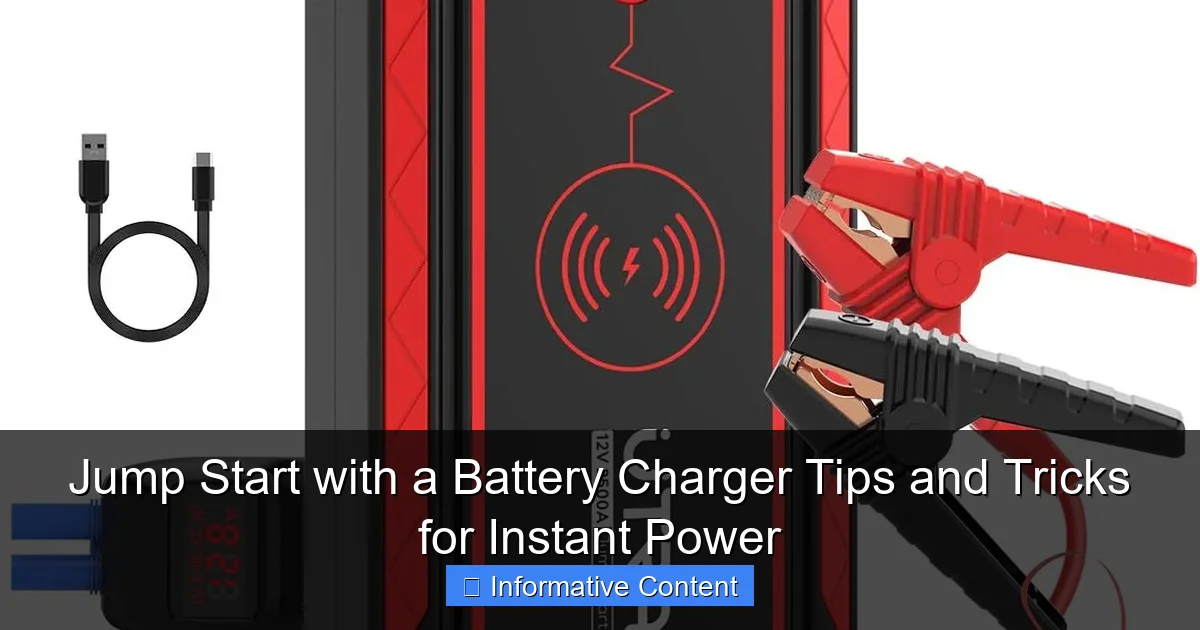
Visual guide about jump start with a battery charger
Image source: m.media-amazon.com
What Is a Battery Charger?
A battery charger is an electronic device that supplies electrical current to a rechargeable battery, like the one in your car. Unlike jumper cables, which rely on another vehicle’s battery to give yours a quick boost, a battery charger connects directly to your battery and slowly replenishes its charge over time. This makes it ideal for situations where you don’t have access to another car or when your battery has been drained over several days.
Most modern battery chargers are smart chargers. That means they can detect the battery’s voltage, adjust the charging rate, and even switch to a maintenance or trickle mode once the battery is full. This prevents overcharging, which can damage the battery and reduce its lifespan.
Types of Battery Chargers
Not all chargers are created equal. Here are the most common types you’ll find:
- Trickle Chargers: These deliver a slow, steady charge over many hours. Great for long-term storage or maintaining a battery during winter.
- Smart Chargers: These are the most popular today. They automatically adjust voltage and current based on the battery’s condition. Many come with safety features like reverse polarity protection and spark-proof technology.
- Jump Starters (Portable Power Packs): These are compact, battery-powered devices that can jump start your car without another vehicle. They often include USB ports, flashlights, and even air compressors.
- Fast Chargers: These deliver high current for quick charging, but they can generate heat and stress the battery if not used carefully. Best for emergencies, not daily use.
For most drivers, a smart charger or a portable jump starter is the best choice. They’re safe, easy to use, and versatile enough to handle a variety of situations.
How Charging Restores Power
When your car battery dies, it’s usually because the chemical reactions inside the battery can no longer produce enough voltage to turn the starter motor. A charger reverses this process by sending electrical current back into the battery, reactivating the chemicals (typically lead and sulfuric acid in lead-acid batteries) and restoring the charge.
The charging process typically follows three stages:
- Bulk Charge: The charger delivers maximum current to quickly raise the battery’s voltage.
- Absorption Charge: The current slows down as the battery nears full capacity, preventing overcharging.
- Float Charge: Once full, the charger maintains a low voltage to keep the battery topped off without damaging it.
Understanding these stages helps you choose the right charger and use it effectively. For example, if you’re in a hurry, a fast charger might get you going in 30 minutes—but a smart charger will do it more safely and preserve your battery’s health.
Choosing the Right Battery Charger for Your Needs
With so many options on the market, picking the right battery charger can feel overwhelming. But it doesn’t have to be. The key is matching the charger to your specific needs—whether you’re a weekend driver, a long-distance commuter, or someone who stores a classic car for months at a time.
Consider Your Vehicle Type
Different vehicles have different battery requirements. A small sedan with a 12-volt battery will need a different charger than a heavy-duty truck or a motorcycle. Here’s a quick breakdown:
- Standard Cars and SUVs: Look for a 12-volt charger with at least 4–10 amps of output. A 6-amp smart charger is ideal for most daily drivers.
- Trucks and Large Vehicles: These often have higher-capacity batteries. A 10–15 amp charger will charge faster and handle the load better.
- Motorcycles and ATVs: These use smaller 6-volt or 12-volt batteries. A low-amp trickle charger (1–2 amps) is usually sufficient and safer for delicate electronics.
Always check your vehicle’s manual or the battery label to confirm the voltage and recommended charging rate.
Portability vs. Power
Are you planning to keep the charger in your garage, or do you need something you can toss in the trunk for emergencies? This decision will influence your choice.
Portable jump starters are perfect for on-the-go use. They’re lightweight, often include built-in flashlights and USB ports, and can jump start your car without another vehicle. Some models can even charge your phone or inflate a tire. However, they have limited capacity and may need to be recharged after a few uses.
On the other hand, stationary chargers plug into a wall outlet and deliver more consistent power. They’re better for home use, especially if you’re maintaining multiple vehicles or storing a car for the winter. Just remember—they’re not something you’ll want to carry around.
Smart Features That Make a Difference
Modern chargers come with a range of features that improve safety and convenience. Here are a few to look for:
- Automatic Shutoff: Prevents overcharging by stopping the charge when the battery is full.
- Reverse Polarity Protection: Alerts you if the cables are connected incorrectly, preventing sparks or damage.
- Spark-Proof Clamps: Reduce the risk of accidental sparks when connecting to the battery.
- LED Indicators: Show charging status, battery health, and error messages.
- Multi-Battery Compatibility: Some chargers work with lead-acid, AGM, gel, and lithium batteries—great if you own different types of vehicles.
Investing in a charger with these features might cost a bit more upfront, but it can save you money and headaches in the long run.
Budget-Friendly Options That Still Deliver
You don’t need to spend $200 to get a reliable charger. Many affordable models under $50 offer excellent performance for everyday use. Brands like NOCO, Battery Tender, and Schumacher offer budget-friendly smart chargers that are safe, durable, and easy to use.
Just remember: the cheapest option isn’t always the best. Avoid no-name brands with poor reviews or missing safety certifications. Look for chargers that are UL-listed or ETL-certified—these meet safety standards and are less likely to fail or cause damage.
Step-by-Step Guide to Jump Starting with a Battery Charger
Now that you’ve got your charger, it’s time to put it to work. Jump starting with a battery charger is safer and more reliable than using jumper cables, especially if you’re alone or in a remote area. Follow these steps to get your car running smoothly.
Step 1: Safety First
Before you touch anything, make sure you’re safe. Park your car on a flat, dry surface away from traffic. Turn off the engine, headlights, and all electronics. Put on safety glasses and gloves if you have them—battery acid is corrosive, and sparks can happen.
Also, check the battery for visible damage—cracks, leaks, or bulging. If you see any of these, do not attempt to charge it. A damaged battery can be dangerous and may need to be replaced.
Step 2: Locate the Battery
In most cars, the battery is under the hood, usually on the driver’s or passenger’s side. It’s a rectangular box with two cables attached—one red (positive) and one black (negative). Some vehicles, especially newer models, may have the battery in the trunk or under a seat. Check your owner’s manual if you’re unsure.
Step 3: Connect the Charger
Here’s how to connect your charger safely:
- Turn off the charger and unplug it from the wall.
- Attach the red (positive) clamp to the positive terminal of the battery. It’s usually marked with a “+” sign and may have a red cover.
- Attach the black (negative) clamp to the negative terminal, marked with a “–” sign.
- Double-check that the clamps are secure and not touching each other.
Some smart chargers will detect the connection and begin charging automatically. Others may require you to select the battery type (e.g., standard, AGM) and charging mode.
Step 4: Start Charging
Plug the charger into a grounded outlet and turn it on. Most smart chargers will display the battery’s voltage and charging status on an LED screen. A typical 12-volt battery should read around 12.6 volts when fully charged. If it’s below 12 volts, it’s likely deeply discharged.
Charging time depends on the charger’s output and the battery’s condition. A 6-amp charger might take 4–6 hours to fully charge a dead battery. A fast charger could do it in 1–2 hours, but use caution—fast charging generates heat and can shorten battery life.
Step 5: Monitor the Process
Check the charger periodically. If it has a “maintenance” or “float” mode, it will switch to this once the battery is full. This keeps the battery charged without overcharging it.
If the charger displays an error—like “bad battery” or “reverse polarity”—stop immediately. Disconnect the charger, check your connections, and consult the manual. Never ignore error messages.
Step 6: Disconnect and Test
Once the battery is charged, turn off the charger and unplug it from the wall. Remove the clamps in reverse order: black first, then red. Wipe off any corrosion with a clean cloth.
Now, try starting your car. If it starts right up, great! Let it run for 10–15 minutes to allow the alternator to recharge the battery further. If it doesn’t start, the battery may be too old or damaged and might need replacement.
Essential Safety Tips When Using a Battery Charger
Jump starting with a battery charger is generally safe, but like any electrical task, it comes with risks. A little caution goes a long way in preventing accidents, damage, or injury.
Avoid Sparks and Short Circuits
Sparks can ignite hydrogen gas emitted by the battery, leading to an explosion. To minimize risk:
- Always connect the charger with the power off.
- Attach the clamps to the battery terminals—not to the engine block or other metal parts.
- Never let the clamps touch each other while connected to the battery.
- Work in a well-ventilated area, especially in enclosed spaces like garages.
Watch for Overheating
Batteries can get hot during charging, especially with fast chargers. If the battery feels warm to the touch, stop charging and let it cool down. Overheating can damage the battery or cause it to leak.
Also, never charge a frozen battery. If the temperature is below freezing, bring the battery indoors and let it warm up before charging.
Use the Right Charger for the Battery Type
Using the wrong charger can damage your battery. For example, AGM (Absorbent Glass Mat) batteries require a specific charging profile. A standard charger might overcharge them, while a smart charger with AGM mode will adjust accordingly.
Always check the battery label or manual to confirm its type before charging.
Store Your Charger Properly
After use, clean the clamps and store the charger in a dry, cool place. Keep it away from moisture, extreme temperatures, and direct sunlight. Coil the cables neatly to prevent damage.
If you’re using a portable jump starter, recharge it every 3–6 months to keep it ready for emergencies.
Common Mistakes to Avoid When Jump Starting
Even experienced drivers make mistakes when jump starting. Here are some common pitfalls and how to avoid them.
Connecting the Cables Backwards
This is one of the most dangerous errors. Reversing the positive and negative clamps can cause sparks, damage electronics, or even destroy the battery. Always double-check the labels: red to positive (+), black to negative (–).
Modern smart chargers often have reverse polarity protection, but it’s still best to get it right the first time.
Leaving the Charger On Too Long
Overcharging can lead to battery swelling, leaks, or failure. Most smart chargers prevent this with automatic shutoff, but if you’re using an older trickle charger, set a timer and check it regularly.
Ignoring Battery Age
A charger can’t revive a battery that’s reached the end of its life. Most car batteries last 3–5 years. If your battery is old and frequently dies, it’s time for a replacement—not just a charge.
Using a Damaged Charger
Frayed cables, cracked casings, or loose clamps are signs that your charger is unsafe. Don’t risk it. Replace damaged equipment immediately.
Real-Life Tips and Tricks for Faster, Safer Charging
Over the years, I’ve learned a few tricks that make jump starting with a battery charger even easier. These aren’t in the manual, but they’ve saved me time and stress more than once.
- Keep a Charger in Your Car: A compact jump starter takes up little space but can be a lifesaver on road trips or in winter.
- Use a Timer: If your charger doesn’t have an auto-shutoff, set a phone timer to remind you to check it.
- Clean the Terminals First: Corrosion on battery terminals can block charging. Use a wire brush or baking soda and water to clean them before connecting.
- Charge Overnight for Best Results: Even if you’re in a hurry, a slow charge overnight is gentler on the battery and more effective.
- Test Your Battery Regularly: Use a multimeter or visit an auto parts store for a free battery test. Catching problems early prevents dead batteries.
Battery Charger Comparison Table
| Charger Type | Best For | Charging Time | Portability | Safety Features |
|---|---|---|---|---|
| Smart Charger (6A) | Daily drivers, home use | 4–6 hours | Low | Auto shutoff, reverse protection |
| Portable Jump Starter | Emergencies, travel | Instant jump start | High | Spark-proof, LED display |
| Trickle Charger (2A) | Storage, motorcycles | 12–24 hours | Medium | Low risk, simple design |
| Fast Charger (15A) | Large vehicles, quick charge | 1–2 hours | Low | Overheat protection |
Conclusion
Jump starting with a battery charger isn’t just a handy skill—it’s a smart investment in your time, safety, and peace of mind. Whether you’re dealing with a dead battery on a cold morning or maintaining a classic car in storage, the right charger can make all the difference.
Remember, the key to success is preparation. Choose a charger that fits your needs, follow safety guidelines, and avoid common mistakes. With a little practice, you’ll be able to restore power quickly and confidently, no matter where you are.
So next time your car won’t start, don’t panic. Grab your charger, follow these tips, and get back on the road with instant power. Your future self will thank you.
Frequently Asked Questions
How do I safely jump start a car with a battery charger?
To safely jump start with a battery charger, connect the red clamp to the dead battery’s positive terminal and the black clamp to a grounded metal surface. Follow the charger’s instructions to power it on and allow it to charge briefly before starting the engine. Always wear safety glasses and avoid sparks.
Can a battery charger jump start a completely dead battery?
Yes, a battery charger can jump start a completely dead battery if it has a dedicated “jump start” or “boost” mode. However, deeply discharged batteries may require a longer pre-charge before the engine can turn over.
How long should I charge my battery before attempting a jump start?
Most battery chargers need 5–10 minutes in “boost” mode to deliver enough power for a jump start. For severely drained batteries, wait up to 30 minutes to avoid overloading the system. Check your charger’s manual for specific timing.
What’s the difference between a jump starter and a battery charger?
A jump starter provides instant high-current power to start a car, while a battery charger slowly replenishes the battery’s charge. Some modern chargers combine both functions for a quick jump start with a battery charger.
Can I damage my car’s electronics by jump starting with a battery charger?
Modern battery chargers have safeguards to prevent voltage spikes, but always connect clamps correctly and avoid touching metal surfaces together. Improper use can still harm sensitive electronics, so follow the manufacturer’s guidelines.
Is it safe to leave a battery charger connected while driving?
No, never leave a battery charger connected while driving. It can overcharge the battery, damage the alternator, or cause a fire. Disconnect the charger once the engine is running and let the alternator handle charging.