
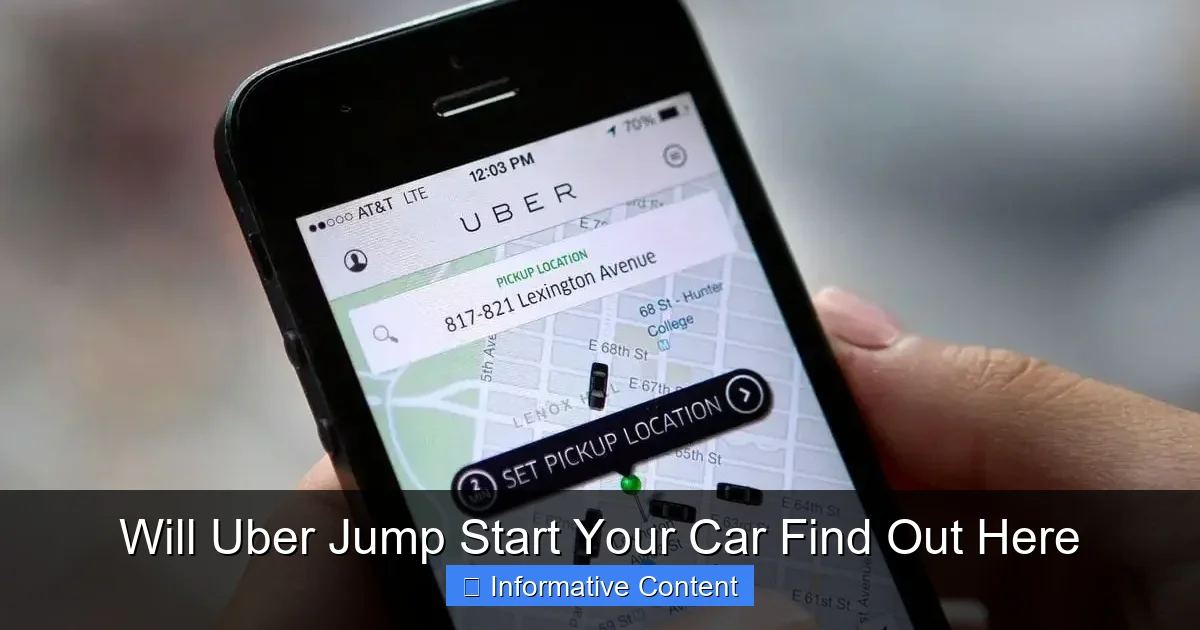
Featured image for will uber jump start your car
Image source: i0.wp.com
Uber does not offer jump-start services for dead car batteries, as its primary focus remains ride-hailing and food delivery. While drivers are not trained or equipped to handle vehicle emergencies, some may assist in emergencies—but you should never rely on it. For guaranteed help, always contact roadside assistance or a professional auto service instead.
Key Takeaways
- Uber doesn’t offer jump starts: Drivers aren’t trained or equipped for car battery assistance.
- Call roadside assistance instead: Use Uber only if it’s an emergency transport to a repair shop.
- Prevent dead batteries: Regularly check and replace old car batteries to avoid issues.
- Keep a portable jump starter: A compact battery pack can save you without relying on others.
- Know your insurance perks: Many policies include free jump starts—verify coverage before you need it.
📑 Table of Contents
- What Happens When Your Car Won’t Start and You’re Stuck?
- Does Uber Offer Jump Start Services? The Real Answer
- Better Alternatives to Uber for Jump Starting Your Car
- What to Do If You’re Stranded and No Help Is Nearby
- Prevention: How to Avoid a Dead Battery in the First Place
- When to Call a Pro (And Why It’s Worth It)
- The Bottom Line: Will Uber Jump Start Your Car?
What Happens When Your Car Won’t Start and You’re Stuck?
It’s 7:45 a.m., and you’re running late for work. You grab your keys, head to your car, and turn the ignition—only to hear that dreaded *click-click-click*. The engine won’t turn over, and the dashboard lights are flickering. You’ve got a dead battery. Your first instinct? Open your phone and open the Uber app. But then it hits you: will Uber jump start your car? Can the same service that gets you to the airport or a night out actually help you get your car back on the road?
We’ve all been there. Whether it’s a cold winter morning, a forgotten interior light, or a battery that’s just seen better days, a dead battery can turn a simple commute into a stressful ordeal. And in moments like these, convenience is king. You don’t want to wait an hour for roadside assistance. You don’t want to flag down a stranger with jumper cables. You just want someone to help—fast. So it’s no surprise that people are turning to apps like Uber, hoping they might offer more than just rides. But here’s the truth: Uber’s primary job is getting people from point A to B, not fixing cars. Still, the idea of a quick, on-demand jump start is incredibly appealing. Let’s dive into whether Uber actually offers this service, what your options are, and how to handle a dead battery like a pro—even when your phone is your only lifeline.
Does Uber Offer Jump Start Services? The Real Answer
Uber’s Core Service: Rides, Not Repairs
Let’s get one thing straight: Uber does not officially offer jump start services for dead car batteries. Their app is designed for ride-hailing, food delivery (Uber Eats), and, in some cities, freight and package delivery. When you request a ride, you’re matched with a driver who picks you up and drops you off. They aren’t trained or equipped to handle car repairs, battery jumps, or roadside assistance.
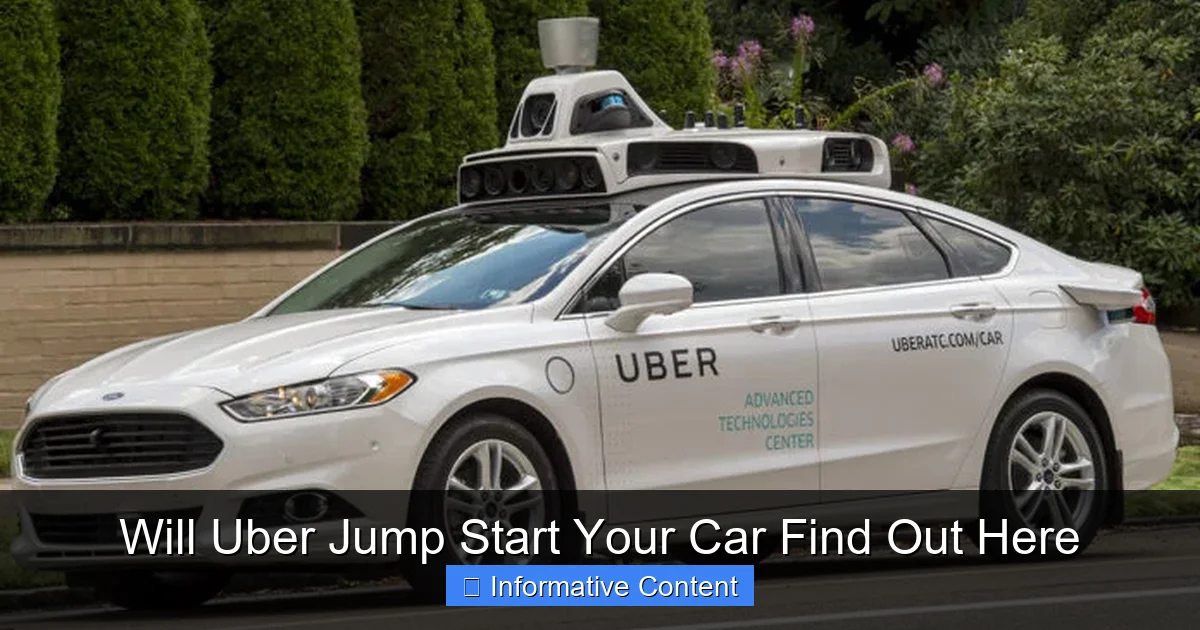
Visual guide about will uber jump start your car
Image source: images.wired.it
Think about it: Uber drivers are everyday people who use their personal vehicles. They’re not mechanics, and most don’t carry jumper cables, battery packs, or safety gear for electrical work. Even if a driver wanted to help, there are liability concerns. What if something goes wrong during a jump? What if the car shorts out? Uber’s insurance and policies don’t cover these scenarios. So, from a business and safety standpoint, it makes sense that jump starts aren’t part of the service.
Can a Driver Still Help You Out?
That said, some Uber drivers might be willing to help—especially if they’ve got the tools and experience. Picture this: You’re stranded in a grocery store parking lot, and a kind-hearted Uber driver notices you struggling. They’ve got jumper cables in their trunk, and they’ve done this before. They might say, “Hey, I can give you a jump—no charge.”
Is this common? Not really. But it does happen. It’s more likely in areas where drivers are used to helping passengers in emergencies, or if they’re retired mechanics or car enthusiasts. Still, this is not guaranteed and depends entirely on the individual driver. You can’t request a jump start through the app, and you can’t filter for “driver with jumper cables.” It’s a roll of the dice.
Tip: If a driver does help, be polite, stay safe, and offer a small tip or thank-you gift (like a coffee or gift card). It’s a favor, not a service.
Uber’s Official Stance
Uber’s website and customer support are clear: they do not provide mechanical or roadside assistance. Their help center states that drivers are not responsible for car repairs or jump starts. If you need help with a dead battery, Uber recommends contacting a professional service like AAA, a local mechanic, or using a roadside assistance app.
So while the idea of “Uber to jump start my car” is tempting, it’s not something you can rely on. But don’t worry—there are better, faster, and more reliable options out there. Let’s explore them.
Better Alternatives to Uber for Jump Starting Your Car
1. Roadside Assistance Services (AAA, Insurance, or Car Warranty)
The most dependable option is a dedicated roadside assistance plan. AAA (American Automobile Association) is the big name here, but many auto insurance companies (like Geico, State Farm, and Allstate) and car manufacturers (like Ford, Toyota, and Tesla) include free or low-cost roadside help with their policies.
With AAA, for example, you can call or use their app to request a jump start. A trained technician arrives with proper equipment, follows safety protocols, and gets your car running—usually within 30-60 minutes. The best part? It’s often included in your membership fee (starting around $60/year).
Real-life example: Sarah from Denver called AAA when her battery died after leaving her headlights on. The technician arrived in 45 minutes, jump-started the car, and even tested the battery to see if it needed replacement. “It was so easy,” she said. “I didn’t have to stress about cables or safety.”
2. On-Demand Roadside Apps (Like Honk, Urgent.ly, or Better World)
Think of these as the “Uber for car help.” Apps like Honk and Urgent.ly connect you directly with local mechanics or roadside technicians who can jump start your car, deliver gas, change a flat tire, or unlock your doors—all through your phone.
How it works:
- Open the app and select “Jump Start”
- Enter your location and car details
- Get a price estimate (usually $60–$100)
- A technician arrives, usually within 20–40 minutes
These services are faster than traditional towing companies and often cheaper than emergency calls to a local garage. Plus, many offer membership plans with discounted rates and no surprise fees.
Pro tip: Keep one of these apps downloaded and ready. You never know when you’ll need it.
3. Portable Jump Starters (Battery Packs You Can Carry)
Want to be your own roadside hero? Invest in a portable jump starter—a compact battery pack that can jump-start your car without another vehicle. These are a game-changer, especially if you live in a cold climate or frequently forget to turn off your lights.
Popular models like the NOCO Boost Plus GB40 or Tacklife T8 can start cars, trucks, and even small SUVs. They’re about the size of a lunchbox, charge via USB, and have built-in safety features (like reverse polarity protection).
How to use one:
- Turn off your car and open the hood
- Connect the red clamp to the positive (+) terminal
- Connect the black clamp to the negative (-) terminal or a metal ground
- Turn on the jump starter and try the ignition
Many models also include USB ports, flashlights, and even tire inflators. One user in Chicago said, “I used my jump starter three times last winter. Saved me over $200 in service calls.”
Cost: $80–$150, but pays for itself after one use.
4. Ask a Neighbor or Use Community Apps
If you’re in a pinch and don’t want to pay, try asking a neighbor or using community apps like Nextdoor or Facebook Groups. Many people are happy to help—especially if you’ve got a spare set of jumper cables.
Just post: “Dead battery in the driveway—anyone have jumper cables and 10 minutes to help? I’ll bring coffee!” You’d be surprised how often people respond.
What to Do If You’re Stranded and No Help Is Nearby
Step-by-Step: Safely Jump Start Your Car (With Another Vehicle)
If you’ve managed to flag down a good Samaritan or find a friend with a working car, here’s how to do it safely—without frying your battery or starting a fire.
- Park both cars close (but not touching)—hoods facing each other. Turn off both engines.
- Connect the red (positive) clamp to the dead battery’s positive terminal (+).
- Connect the other red clamp to the good battery’s positive terminal.
- Connect the black (negative) clamp to the good battery’s negative terminal (-).
- Connect the last black clamp to an unpainted metal surface on the dead car (like a bolt or bracket)—not the negative terminal. This prevents sparks near the battery.
- Start the working car and let it run for 2–3 minutes.
- Try starting the dead car. If it starts, let it run for 10–15 minutes to recharge.
- Disconnect the cables in reverse order—black first, then red.
Warning: Never let the clamps touch each other. Avoid leaning over the battery when starting. If you see smoke or smell burning, disconnect immediately.
What If Jump Starting Doesn’t Work?
Sometimes, a jump won’t fix the problem. Here are the most common reasons:
- Dead battery (needs replacement): If the car starts but dies again, the battery is likely too old (most last 3–5 years).
- Alternator failure: If the battery keeps dying even after a jump, the alternator may not be charging it.
- Bad starter or ignition switch: A clicking sound with no engine turnover could mean a faulty starter.
- Corroded terminals: Clean terminals with a wire brush and baking soda/water mix.
Tip: After a jump, drive for at least 20–30 minutes to fully recharge the battery. Avoid short trips.
Stay Calm and Safe
If you’re stranded at night or in a sketchy area:
- Call a trusted friend or family member and share your location.
- Stay in your locked car if you feel unsafe.
- Use your phone’s flashlight and emergency features (like Apple’s “Emergency SOS”).
- Don’t accept help from strangers unless you’re certain they’re trustworthy.
Prevention: How to Avoid a Dead Battery in the First Place
Regular Battery Checks and Maintenance
Your battery is like a car’s heart. If it’s weak, the whole system suffers. Here’s how to keep it healthy:
- Check voltage: Use a multimeter or visit an auto shop. A healthy battery reads 12.6+ volts when off and 13.7–14.7 when running.
- Clean terminals: Remove corrosion with a wire brush and baking soda/water.
- Test annually: Most shops offer free battery testing—especially before winter.
- Replace at 3–5 years: Even if it works, older batteries are more likely to fail.
Smart Habits to Prevent Drain
Many dead batteries happen because of simple mistakes:
- Turn off lights, AC, and radio before exiting the car.
- Check for interior lights—especially in the glove box or trunk.
- Use a battery tender if you’re not driving for a week or more (common for vacation or work trips).
- Park in a garage in cold weather—extreme temps drain batteries faster.
Upgrade to a Smart Battery or Monitor
New tech can help prevent surprises:
- Smart battery monitors (like NOCO Genius Battery Monitor) track battery health and send alerts to your phone.
- AGM or lithium batteries last longer and perform better in cold weather.
When to Call a Pro (And Why It’s Worth It)
Signs You Need a Mechanic
Sometimes, a jump start is just a band-aid. If you notice any of these, it’s time to call a pro:
- Car dies shortly after a jump
- Dim headlights or flickering dashboard
- Strange smells (like rotten eggs or burning)
- Frequent jump starts (more than once a month)
- Clicking sound but no engine turnover
These could point to deeper issues: alternator failure, wiring problems, or a parasitic drain (something using power when the car is off).
Cost vs. Convenience
Yes, calling a mechanic costs money—usually $100–$200 for a house call. But compare that to the stress, risk, and time of trying to fix it yourself. A pro can:
- Diagnose the root cause
- Replace the battery or alternator on the spot
- Ensure your car is safe to drive
As one mechanic told me: “I’d rather fix it right once than have you stranded again next week.”
Data Table: Average Costs for Battery Services (2024)
| Service | Average Cost | Time to Arrive | Best For |
|---|---|---|---|
| AAA Roadside Assistance (jump start) | $0–$20 (with membership) | 30–60 minutes | Frequent drivers, peace of mind |
| Honk/Urgent.ly (on-demand) | $60–$100 | 20–40 minutes | Quick help, no membership |
| Portable Jump Starter (purchase) | $80–$150 | Immediate (when charged) | Self-reliance, emergency prep |
| Local Mechanic House Call | $100–$200 | 45–90 minutes | Diagnosis, battery replacement |
| Uber Driver (if willing) | Free (tip appreciated) | Depends on ride request | Last resort, friendly driver |
The Bottom Line: Will Uber Jump Start Your Car?
So, back to the original question: will Uber jump start your car? The short answer is no—not officially, not reliably, and not as part of their service. Uber is for rides, not repairs. But the long answer? It’s about being prepared, knowing your options, and understanding that help is out there—you just need to know where to look.
Think of it this way: when your car won’t start, you’re not just looking for a jump. You’re looking for reliability, speed, and peace of mind. And while an Uber driver might occasionally lend a hand, you shouldn’t count on it. Instead, build your emergency toolkit: download a roadside app like Honk, keep a portable jump starter in your trunk, and consider a AAA membership if you drive often.
Here’s the good news: technology and services have made car trouble less stressful than ever. You don’t need to wait for a tow truck or beg a stranger. With a few smart choices, you can handle a dead battery like a pro—and get back on the road faster than you think.
So the next time you hear that dreaded click, don’t open Uber. Open your emergency app, call your roadside service, or grab your jump starter. Because when it comes to car problems, the best ride isn’t always the one you pay for—it’s the one you’re prepared for.
Frequently Asked Questions
Will Uber jump start your car if the battery dies?
No, Uber drivers are not required or equipped to jump start your car. Their service focuses on transportation, not roadside assistance. You’ll need to contact a dedicated service like AAA or a local mechanic for battery help.
Can I request an Uber driver to help with a jump start?
While some drivers might assist if they have cables, Uber’s policies don’t support jump-starting vehicles. Relying on this could risk damage or liability, so it’s best to use a professional service instead.
Does Uber offer roadside assistance for dead batteries?
Uber doesn’t provide roadside assistance, including jump starts for dead batteries. For emergencies, use apps like Urgent.ly or call a towing service that specializes in battery issues.
What should I do if I need a jump start and only have Uber nearby?
Use your Uber ride to get to an auto shop or borrow jumper cables. Alternatively, contact roadside assistance apps like Honk or your insurance provider, which often cover battery services.
Are Uber drivers trained to jump start cars safely?
No, Uber drivers aren’t trained or insured for jump-starting vehicles. Attempting this could void warranties or cause electrical damage. Always prioritize professional help for battery issues.
Is there an Uber service that includes car jump starts?
Uber’s core services don’t include jump starts or mechanical help. However, you can use Uber to reach a mechanic or auto parts store to buy cables or request a pro jump start.