
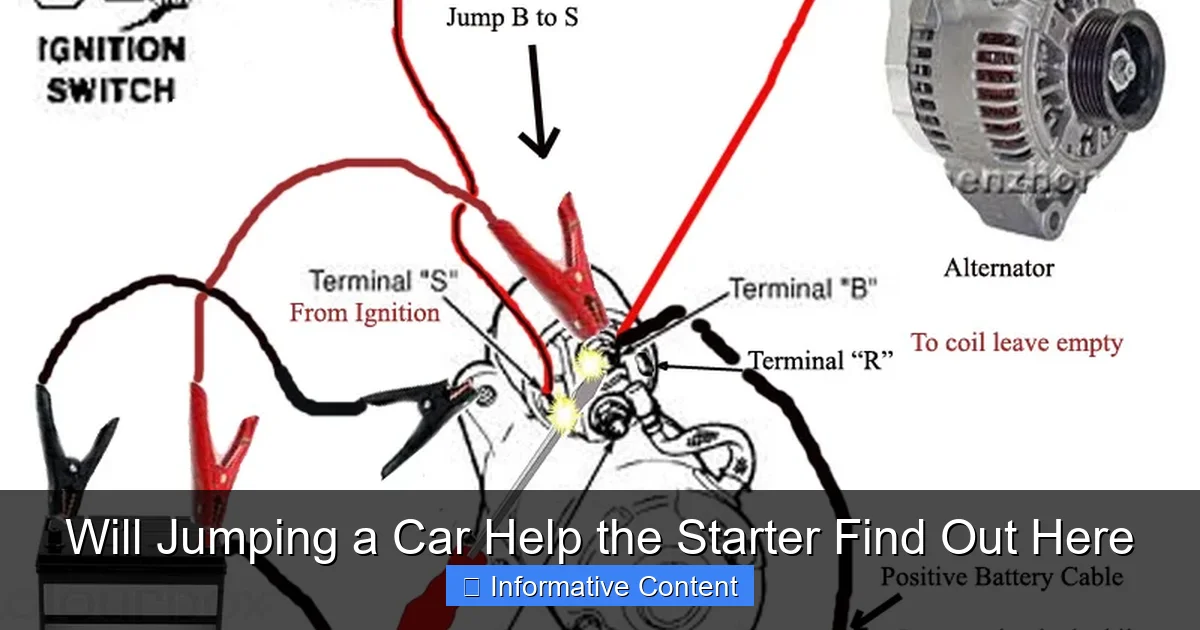
Featured image for will jumping a car help the starter
Image source: static.cargurus.com
Jumping a car will not fix a faulty starter—it only provides temporary power to crank the engine if the battery is dead. If the starter itself is failing, jump-starting won’t help, and you’ll need a professional diagnosis or replacement to resolve the issue.
Key Takeaways
- Jumping a car won’t fix a bad starter: It only addresses battery issues, not starter motor failures.
- Test the starter first: Use a multimeter to confirm if the starter is receiving power.
- Check battery health: A weak battery can mimic starter problems—always rule it out first.
- Jump-starting may bypass the starter: If the car starts, the issue likely lies elsewhere.
- Inspect wiring and connections: Corroded or loose cables can prevent the starter from engaging.
- Call a pro if unsure: Starter repairs require expertise—avoid DIY risks.
📑 Table of Contents
Will Jumping a Car Help the Starter? Find Out Here
We’ve all been there: you turn the key in the ignition, and instead of that familiar engine roar, you’re met with silence—or maybe just a faint click. The heart-sinking moment when you realize your car won’t start is something every driver dreads. It’s even worse when it happens in a hurry, like when you’re late for work or picking up your kids from school. In these situations, jumping your car seems like the obvious fix, but what if the problem isn’t just a dead battery? Could jumping actually help your starter, or are you just wasting time and risking damage?
I remember one winter morning, standing in my driveway, shivering as I tried to jump my old Honda Civic. The engine cranked sluggishly, then gave up completely. After two failed attempts, I realized something deeper was wrong. The battery was fine, but the starter was on its last legs. That experience taught me a valuable lesson: jumping a car is a temporary solution, but it’s not always the right one. In this article, we’ll explore whether jumping your car can actually help the starter, when it’s useful, and what other steps you should consider. Whether you’re a DIY enthusiast or just trying to avoid another roadside panic, this guide is for you.
Understanding the Starter and How It Works
What Is a Starter Motor?
The starter motor is a small but powerful electric device that gets your engine running. When you turn the key, the ignition sends a signal to the starter, which engages a gear (called the flywheel) to crank the engine. Think of it like a starter pistol in a race—it kicks the engine into motion so it can take over on its own. Without a working starter, your engine won’t start, no matter how much fuel or battery power you have.
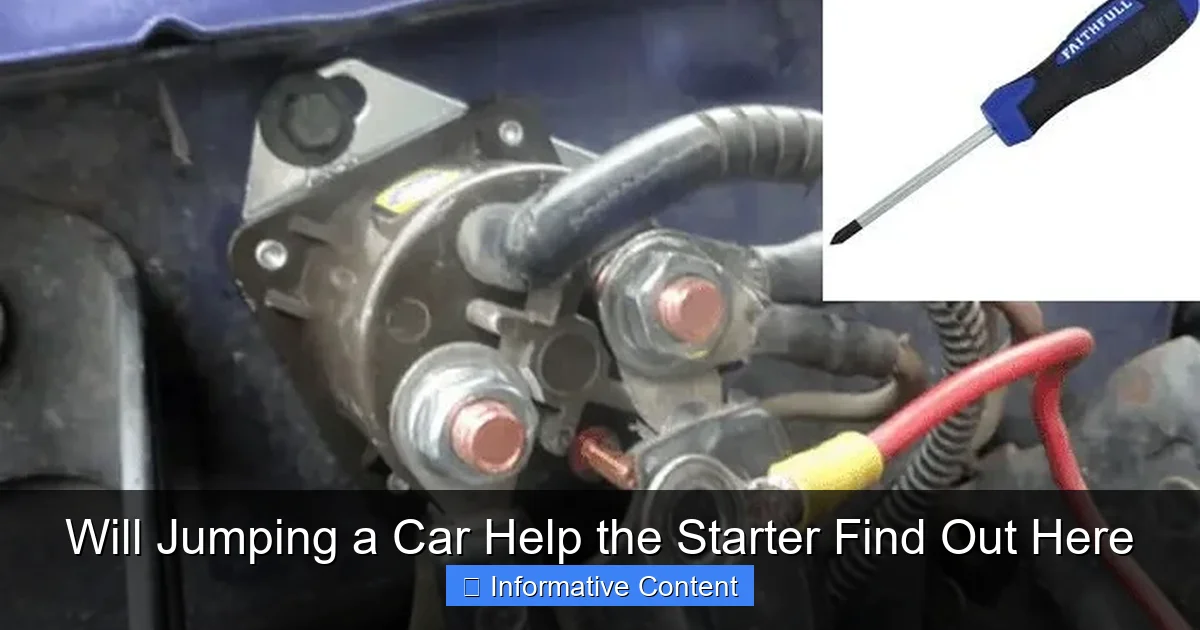
Visual guide about will jumping a car help the starter
Image source: cararac.com
Starter motors are designed to handle brief, high-energy bursts. They draw a lot of current from the battery—often 100 to 200 amps—which is why they’re connected directly to the battery terminals. Over time, wear and tear, electrical issues, or mechanical failure can cause the starter to fail. Common signs include a clicking noise when you turn the key, the engine cranking slowly, or no response at all.
How the Battery Supports the Starter
The battery is the starter’s best friend. It provides the electrical energy needed to power the starter motor and other components like the ignition system and fuel pump. A weak or dead battery means the starter won’t get enough juice to do its job. But here’s the key: if the battery is low but not completely dead, jumping it might give the starter just enough power to turn over the engine.
For example, imagine your battery is at 50% charge. The starter might struggle to crank the engine, but with a jump from another vehicle, the combined power could provide the extra boost needed. However, if the starter itself is damaged or worn out, even a fully charged battery won’t help. That’s why it’s essential to distinguish between a battery issue and a starter issue.
Common Causes of Starter Failure
Starter problems can stem from various sources, including:
- Worn-out brushes or solenoid: These internal components wear down over time, reducing efficiency.
- Electrical issues: Corroded connections, faulty ignition switches, or wiring problems can prevent the starter from receiving power.
- Mechanical failure: The starter gear might not engage properly with the flywheel, causing grinding noises or no cranking.
- Moisture or corrosion: Exposure to water or road salt can damage the starter’s internal parts.
Understanding these causes helps you diagnose whether jumping your car is a viable solution or if you need to look deeper.
When Jumping a Car Can Help the Starter
The Right Scenario: Weak Battery, Healthy Starter
Jumping your car can help the starter only if the battery is the weak link. For instance, if your battery is drained from leaving the lights on overnight or from cold weather reducing its efficiency, a jump start can restore enough power for the starter to work. This is the most common and successful use of a jump start.
I once helped a friend whose car wouldn’t start after a long weekend trip. The battery was nearly dead, but after a quick jump, the engine fired right up. The starter was fine—it just needed that extra power boost. In these cases, jumping is a lifesaver and often the only step needed.
Signs That Jumping Might Work
Before you grab the jumper cables, look for these clues:
- The dashboard lights come on, but the engine doesn’t crank or cranks very slowly.
- You hear a single click when turning the key, but no cranking.
- The headlights are dim or flicker when you try to start the car.
These signs suggest the battery isn’t delivering enough power to the starter, but the starter itself might be functional. A jump start could bridge the gap.
How to Jump Start Properly
To maximize your chances of success, follow these steps:
- Park the working car close to yours, but don’t let them touch.
- Turn off both cars and engage the parking brakes.
- Connect the jumper cables in this order: red to dead battery’s positive (+), red to good battery’s positive (+), black to good battery’s negative (-), and black to a grounded metal surface on the dead car (like an unpainted bolt or bracket).
- Start the working car and let it run for 2-3 minutes.
- Try starting the dead car. If it doesn’t start, wait a few more minutes and try again.
- Once started, remove the cables in reverse order and let the car run for at least 20 minutes to recharge the battery.
Pro tip: Avoid revving the engine of the working car—it won’t charge the battery faster and could damage sensitive electronics.
Limitations of Jumping
Jumping won’t help if:
- The starter motor is completely dead (no clicking or movement).
- There’s a mechanical issue like a seized engine or broken flywheel.
- The ignition switch or wiring is faulty.
In these cases, jumping is just a temporary distraction from the real problem. You might get lucky once, but the issue will likely return.
When Jumping Won’t Help (And What to Do Instead)
Starter Motor Failure
If your starter is failing or dead, jumping won’t fix it. You might hear a rapid clicking noise (the solenoid is working, but the motor isn’t engaging) or no sound at all. In these cases, the starter needs to be replaced or repaired.
For example, a friend of mine had a starter that would work intermittently. Sometimes a jump would get it going, but eventually, it stopped responding entirely. A mechanic diagnosed a worn-out starter motor and recommended replacement. The jump was just a band-aid, not a cure.
Electrical and Wiring Problems
Faulty wiring, a bad ignition switch, or corroded connections can mimic starter issues. Jumping the car won’t help because the power isn’t reaching the starter properly. Look for signs like:
- Dashboard lights not coming on at all.
- Multiple electrical issues (radio, windows, etc.) acting up.
- Burning smell near the starter or battery.
These suggest deeper electrical problems that need professional attention.
Engine Seizure or Mechanical Failure
If the engine is seized (frozen due to lack of oil or overheating), no amount of jumping will help. You’ll need to tow the car to a mechanic for inspection. Similarly, if the flywheel (the gear the starter engages) is damaged, the starter won’t be able to crank the engine.
Alternative Solutions
When jumping isn’t enough, try these steps:
- Tap the starter: Gently tap the starter motor with a wrench or hammer while someone turns the key. Sometimes this can free up a stuck solenoid. (Use caution—don’t hit it too hard!)
- Check connections: Ensure the battery terminals are clean and tight, and inspect the starter’s wiring for damage.
- Test the ignition switch: If other electrical systems are working, the ignition switch might be faulty.
- Call a mechanic: If you’re unsure, it’s best to get a professional diagnosis.
Preventing Starter and Battery Issues
Regular Maintenance Tips
Prevention is always better than a roadside fix. Here’s how to keep your starter and battery in good shape:
- Check battery health: Most auto shops offer free battery tests. Do this every 6 months, especially before winter.
- Keep terminals clean: Corrosion can block power flow. Clean terminals with a baking soda and water solution.
- Inspect wiring: Look for frayed wires or loose connections near the starter and battery.
- Listen for early signs: If the starter sounds weak or slow, address it before it fails completely.
Weather Considerations
Cold weather is hard on batteries and starters. In winter:
- Park in a garage if possible.
- Use a battery warmer or trickle charger.
- Turn off all accessories (lights, radio) before starting.
Heat can also damage starters by warping internal components. Avoid prolonged exposure to direct sunlight if possible.
Smart Habits for Drivers
Small changes can make a big difference:
- Don’t leave lights or accessories on when the engine is off.
- Turn the key to “on” for a few seconds before starting to allow the fuel pump to prime.
- Replace the battery every 3-5 years, even if it seems fine.
One of my neighbors swears by a battery maintainer (a small charger that keeps the battery topped off). He says it’s saved him from several dead battery incidents.
Real-World Examples and Case Studies
Case Study 1: The Cold Weather Jump
A driver in Minnesota left his car parked outside overnight in -10°F weather. The next morning, the engine wouldn’t crank. A jump start worked, but the battery died again after driving for 10 minutes. The mechanic found the battery was 5 years old and couldn’t hold a charge in the cold. The starter was fine—just needed a new battery.
Case Study 2: The Failing Starter
A woman in Texas tried jumping her car three times, but it wouldn’t start. The dashboard lights worked, but there was no cranking. A mechanic discovered the starter motor was seized. Jumping was pointless—the starter needed replacement.
Case Study 3: The Corroded Connection
A man in Florida noticed his car cranked slowly. Jumping helped once, but the problem returned. A mechanic found corroded battery terminals blocking power flow. Cleaning the terminals fixed the issue, and the car started normally.
Data Table: Common Symptoms and Solutions
| Symptom | Likely Cause | Will Jumping Help? | Recommended Action |
|---|---|---|---|
| Engine cranks slowly | Weak battery | Yes (temporarily) | Jump start, then replace battery |
| Single click, no cranking | Starter solenoid issue | Sometimes | Tap starter, check connections, replace if needed |
| Rapid clicking | Dead battery or poor connection | Yes | Jump start, clean terminals |
| No sound, dashboard lights on | Faulty starter motor | No | Replace starter |
| No sound, no lights | Dead battery or electrical fault | Maybe | Jump start, check wiring |
Conclusion: Jumping as a Tool, Not a Cure
Jumping your car can help the starter, but only if the problem is a weak or dead battery. It’s a quick, effective solution for temporary power loss—but it won’t fix a failing starter, electrical issues, or mechanical problems. Think of it like putting a bandage on a broken leg: it might help in the short term, but you need proper treatment for a full recovery.
The key is to pay attention to the signs. If your car cranks slowly or makes clicking noises, jumping might get you back on the road. But if there’s no cranking at all, or the problem keeps returning, it’s time to dig deeper. Regular maintenance, like checking your battery and keeping connections clean, can prevent many of these issues before they happen.
Next time your car won’t start, don’t panic. Try jumping it—but if that doesn’t work, don’t keep trying the same thing. Listen to your car, look for clues, and know when to call for help. Whether you’re a seasoned driver or a new one, understanding the difference between a battery issue and a starter problem can save you time, money, and a lot of stress. After all, the best fix is the right fix.
Frequently Asked Questions
Will jumping a car help the starter if the battery is dead?
Yes, jumping a car can help the starter turn the engine over if the issue is a weak or dead battery. The jumper cables deliver enough power to activate the starter motor, allowing the engine to crank and start.
Can a jump start fix a faulty starter?
No, a jump start won’t fix a faulty starter—it only supplies power to a working starter. If the starter motor or solenoid is damaged, you’ll need a repair or replacement even after a jump.
Why does my car click when I try to start it—will jumping help?
A clicking noise often means the battery lacks enough power to engage the starter, so jumping the car may help. However, if the clicking persists after a jump, the starter itself may be failing and require professional diagnosis.
Is it safe to jump a car with a bad starter?
Jumping a car with a bad starter is safe but ineffective—it won’t solve the underlying mechanical issue. The starter needs to be inspected and repaired by a mechanic to restore normal function.
How long should I wait after jumping a car to test the starter?
After jumping, wait 5–10 minutes with the donor car running to let the battery recharge slightly before testing the starter. This ensures the starter gets adequate voltage to operate.
Will jumping a car help the starter if the alternator is bad?
Jumping can help start the car temporarily, but a failing alternator won’t recharge the battery. The starter may work initially, but the car will eventually stall once the battery depletes again.