

Featured image for if i jump start my car will it die again
Image source: so1.360tres.com
Jump-starting your car doesn’t guarantee it won’t die again—if the underlying issue (like a dead battery, faulty alternator, or parasitic drain) isn’t fixed, the problem will likely return. Diagnose the root cause immediately after a jump start to avoid repeated breakdowns and costly repairs.
Key Takeaways
- Jump-starting fixes symptoms: It won’t repair a failing battery or alternator long-term.
- Test the battery: Use a multimeter to check voltage after jump-starting.
- Drive immediately: A 20+ minute drive helps recharge the battery fully.
- Inspect the alternator: Ensure it’s charging properly to prevent repeat issues.
- Replace old batteries: Batteries over 3 years old often need replacement.
- Check connections: Clean and tighten terminals to avoid power loss.
📑 Table of Contents
- Why Your Car Dies After a Jump Start: The Real Story
- What Happens When You Jump Start a Car?
- Why Does Your Car Die Again After a Jump Start?
- How to Diagnose the Real Problem
- What to Do If Your Car Dies Again After a Jump Start
- Preventing Future Jump-Start Dilemmas
- Data Table: Common Causes of Repeat Battery Failure
- Final Thoughts: Don’t Let a Jump Start Be Your Only Fix
Why Your Car Dies After a Jump Start: The Real Story
You’ve been there before—your car won’t start, you call a friend or a roadside assistance service, and they give you a jump start. The engine roars back to life, and you breathe a sigh of relief. But then, a few minutes later, it sputters and dies again. Sound familiar? You’re not alone. This frustrating situation is more common than you think, and it’s a sign that something deeper is going on with your car.
The truth is, a jump start is only a temporary fix. It’s like putting a bandage on a broken bone—it helps you move for a bit, but it doesn’t fix the real problem. If your car dies again after a jump start, it’s usually because the root cause wasn’t addressed. Whether it’s a failing battery, a bad alternator, or even a hidden electrical issue, there’s almost always a reason behind the repeat failure. In this guide, we’ll break down exactly why this happens and what you can do to prevent it from becoming a recurring nightmare.
What Happens When You Jump Start a Car?
The Science Behind a Jump Start
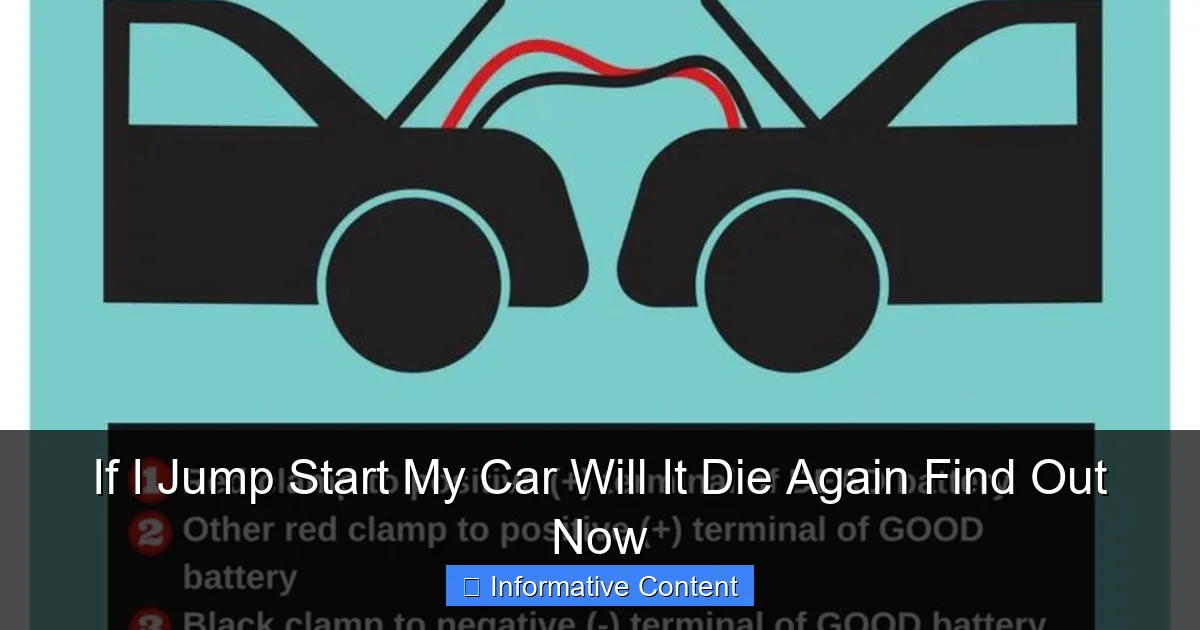
A jump start works by transferring electrical power from a working battery (or another vehicle’s battery) to your dead one. This surge of energy allows the starter motor to crank the engine and get things running again. But here’s the catch: your car’s battery isn’t just there to start the engine. Once the engine is running, the alternator takes over, recharging the battery and powering all the electrical systems in your car.
Visual guide about if i jump start my car will it die again
Image source: nationaldispatch.com
If your alternator isn’t working properly or your battery is too far gone, the jump start won’t last. Think of it like this: the jump start is the “push” your car needs to get moving, but the alternator is the “engine” that keeps it going. Without a functioning alternator or battery, the car will die again as soon as the borrowed power runs out.
Common Misconceptions About Jump Starting
Many people assume that if a jump start works, their battery is fine. But that’s not always true. For example:
- A weak battery might still hold enough charge to start the engine with a jump, but it won’t last long without constant recharging.
- A failing alternator might not charge the battery properly, meaning the jump start is the only thing keeping the car alive.
- Corroded or loose connections can make it seem like the battery is dead when the real issue is poor contact.
Here’s a real-life example: A friend of mine once jump-started his car every morning for a week. The battery was only a year old, so he assumed it was fine. It wasn’t until the alternator failed completely that he realized the battery was just a symptom of a bigger problem. Lesson learned: Always dig deeper than the jump start.
Why Does Your Car Die Again After a Jump Start?
1. The Battery Is Too Far Gone
A car battery typically lasts 3-5 years, depending on usage and climate. If yours is older than that, it might not hold a charge well, even after a jump start. Here’s how to tell:
- The car starts fine with a jump but dies within minutes of driving.
- The headlights are dim or flicker when the engine is running.
- You notice a sulfur (rotten egg) smell around the battery (a sign of internal damage).
Pro tip: If you’re constantly jump-starting an old battery, it’s time for a replacement. Trying to revive a dead battery with repeated jump starts is like trying to fix a cracked phone screen with tape—it might work temporarily, but it’s not a long-term solution.
2. The Alternator Isn’t Charging the Battery
The alternator is the unsung hero of your car’s electrical system. It converts mechanical energy from the engine into electricity to charge the battery and power the car’s systems. If it’s failing, your battery won’t get charged, and the car will die again.
Signs of a bad alternator:
- Warning lights on the dashboard (e.g., the battery or charging system light).
- The car dies even with a fully charged battery.
- Electrical accessories (like lights or radio) act erratically.
Example: A coworker of mine once drove 20 miles after a jump start, only to have the car die at a stoplight. The battery was fine, but the alternator had failed. The jump start had given them just enough power to get home—but nothing more.
3. Electrical Issues or Parasitic Drain
Sometimes, the problem isn’t the battery or alternator but an electrical issue that’s draining the battery when the car is off. This is called “parasitic drain,” and it can be caused by:
- A malfunctioning accessory (e.g., a glove box light that stays on).
- Faulty wiring or a short circuit.
- Aftermarket electronics (like a GPS or dashcam) that draw power even when the car is off.
To test for parasitic drain, you’ll need a multimeter, but a simpler method is to:
- Fully charge the battery and disconnect it overnight.
- If the battery is dead the next day, there’s likely a drain.
How to Diagnose the Real Problem
Step 1: Check the Battery Voltage
The first thing you should do after a jump start is check the battery voltage. Here’s how:
- With the engine off, a healthy battery should read 12.6 volts or higher.
- With the engine running, it should read 13.8-14.4 volts (this means the alternator is charging it).
If the voltage drops below 12.6 volts with the engine off, the battery is weak. If it’s below 13.8 volts with the engine running, the alternator is likely the culprit.
Step 2: Listen for Warning Signs
Your car often gives you clues before it dies completely. Pay attention to:
- Slow cranking when starting (even after a jump).
- Unusual noises (grinding, whining, or clicking) from the engine bay.
- Flickering dashboard lights or dim headlights.
These symptoms can help you narrow down whether the issue is the battery, alternator, or something else.
Step 3: Get a Professional Diagnosis
If you’re not sure what’s causing the problem, take your car to a mechanic or an auto parts store. Most will test your battery and alternator for free. They can also check for parasitic drain if needed.
Pro tip: If you’re buying a new battery or alternator, ask for a warranty. A good warranty (like 3-5 years) can save you money if the part fails prematurely.
What to Do If Your Car Dies Again After a Jump Start
Immediate Steps to Take
If your car dies again right after a jump start, don’t panic. Here’s what to do:
- Safely pull over and turn on your hazard lights.
- Try a second jump start (if possible) to get to a safe location or a repair shop.
- Call for help if you’re stranded or unsure what to do.
Example: My sister once had her car die in a parking lot after a jump start. She called roadside assistance, who tested the battery and alternator on the spot and confirmed the alternator was bad. They helped her get to a repair shop without any further issues.
Long-Term Solutions
To prevent repeat failures, address the root cause:
- Replace the battery if it’s old or weak.
- Replace the alternator if it’s not charging properly.
- Fix electrical issues like parasitic drain or corroded connections.
Pro tip: If you’re replacing the alternator, consider upgrading to a high-output model if you use a lot of electrical accessories (e.g., a sound system or off-road lights). This can prevent future issues.
Preventing Future Jump-Start Dilemmas
Regular Maintenance Tips
The best way to avoid jump-starting your car is to keep it well-maintained. Here’s how:
- Test the battery and alternator annually, especially before winter.
- Clean the battery terminals to prevent corrosion.
- Check belts and hoses for signs of wear (the alternator is belt-driven, so a broken belt can cause sudden failure).
Example: My dad swears by testing his battery every fall. He says it’s saved him from getting stranded in cold weather more than once.
Invest in a Portable Jump Starter
A portable jump starter (also called a battery booster pack) can be a lifesaver. Unlike jumper cables, it doesn’t require another car—just charge it up and keep it in your trunk. Look for one with at least 10,000 mAh capacity and safety features like reverse polarity protection.
Bonus: Some models also have USB ports for charging phones or other devices in an emergency.
Know When to Call a Professional
Some issues are best left to the experts. If you’re not confident diagnosing or fixing the problem yourself, don’t hesitate to call a mechanic. A quick repair now can save you from a bigger (and more expensive) problem later.
Data Table: Common Causes of Repeat Battery Failure
| Cause | Signs | Solution |
|---|---|---|
| Old or weak battery | Slow cranking, dim lights, sulfur smell | Replace the battery |
| Bad alternator | Battery warning light, erratic electricals | Replace the alternator |
| Parasitic drain | Battery dies overnight, accessories acting up | Find and fix the drain |
| Loose/corroded connections | Intermittent starting, flickering lights | Clean and tighten connections |
Final Thoughts: Don’t Let a Jump Start Be Your Only Fix
If your car dies again after a jump start, it’s a clear sign that something deeper is wrong. Whether it’s the battery, alternator, or an electrical issue, the key is to diagnose and fix the real problem—not just rely on temporary solutions. By understanding the warning signs, taking immediate action, and investing in regular maintenance, you can avoid getting stranded and keep your car running smoothly.
Remember, a jump start is a tool, not a cure. Treat it as a stepping stone to a real solution, and you’ll save yourself time, money, and a lot of stress in the long run. So the next time your car won’t start, don’t just grab the jumper cables—grab a plan.
Frequently Asked Questions
Will my car die again after a jump start if the battery is old?
If your car battery is old or failing, it may die again soon after a jump start because it can’t hold a charge. Replacing the battery is usually the best solution to prevent repeated issues.
If I jump start my car, will it die again once I turn off the engine?
Your car may die again after turning off the engine if the alternator isn’t recharging the battery properly or if the battery itself is faulty. A mechanic should inspect both components to identify the root cause.
How long should I drive after a jump start to avoid the car dying again?
Driving for at least 20-30 minutes after a jump start helps the alternator recharge the battery. However, if the battery or alternator is damaged, driving won’t prevent the car from dying again.
Can a bad alternator cause my car to die again after a jump start?
Yes, a bad alternator won’t recharge the battery while driving, causing the car to die again even after a successful jump start. Testing the alternator’s output is key to confirming this issue.
Why does my car keep dying after multiple jump starts?
Repeated jump starts followed by stalling often point to a dead battery, faulty alternator, or parasitic drain. A professional diagnosis is needed to pinpoint and fix the underlying problem.
If I jump start my car, will it die again if the battery terminals are corroded?
Corroded battery terminals can prevent proper charging, increasing the chance your car will die again. Clean the terminals thoroughly or replace them to ensure a solid electrical connection.